Growing complexity and mounting regulatory requirements coupled with rising investor demand for tailored solutions has meant private equity managers are having to transform their business processes to remain efficient.
Navigating more complex structures has sharpened the need for customised solutions to support growth in specific asset classes, geographic regions and investment strategies. In this context, efficient and effective middle office operations are becoming paramount.
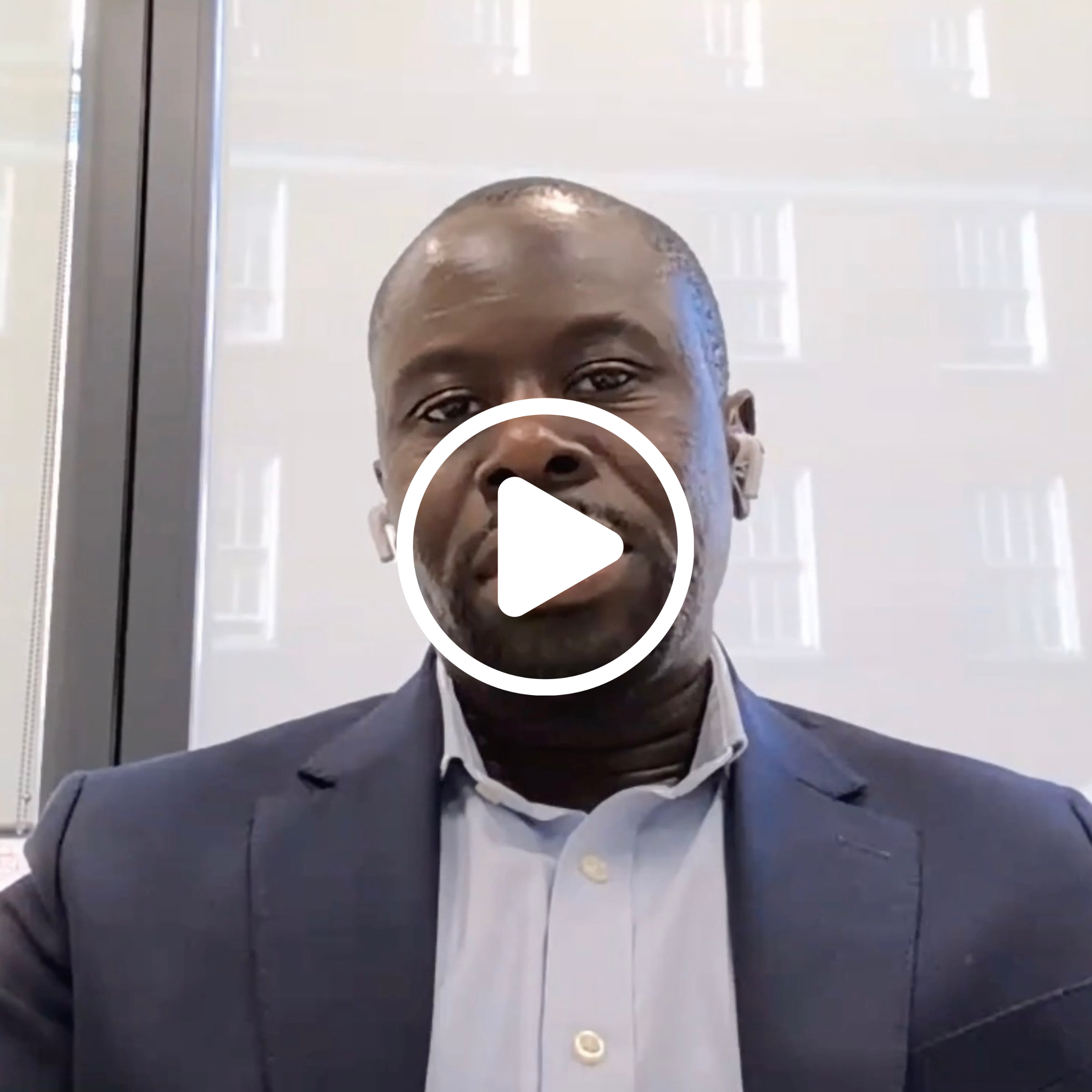
“The need for middle office operations has really risen as a result of growing complexity, additional regulatory and administrative burdens,” explains Jonathan Balkin, co-founder and executive director of Lionpoint. In order to remain competitive, PE firms must adapt to the new environment, ensuring diligent data collection and management, a focus on risk and a timely response to investor needs.
Indeed, effective management of middle office functions and processes can streamline a PE firm’s operations and drive success.
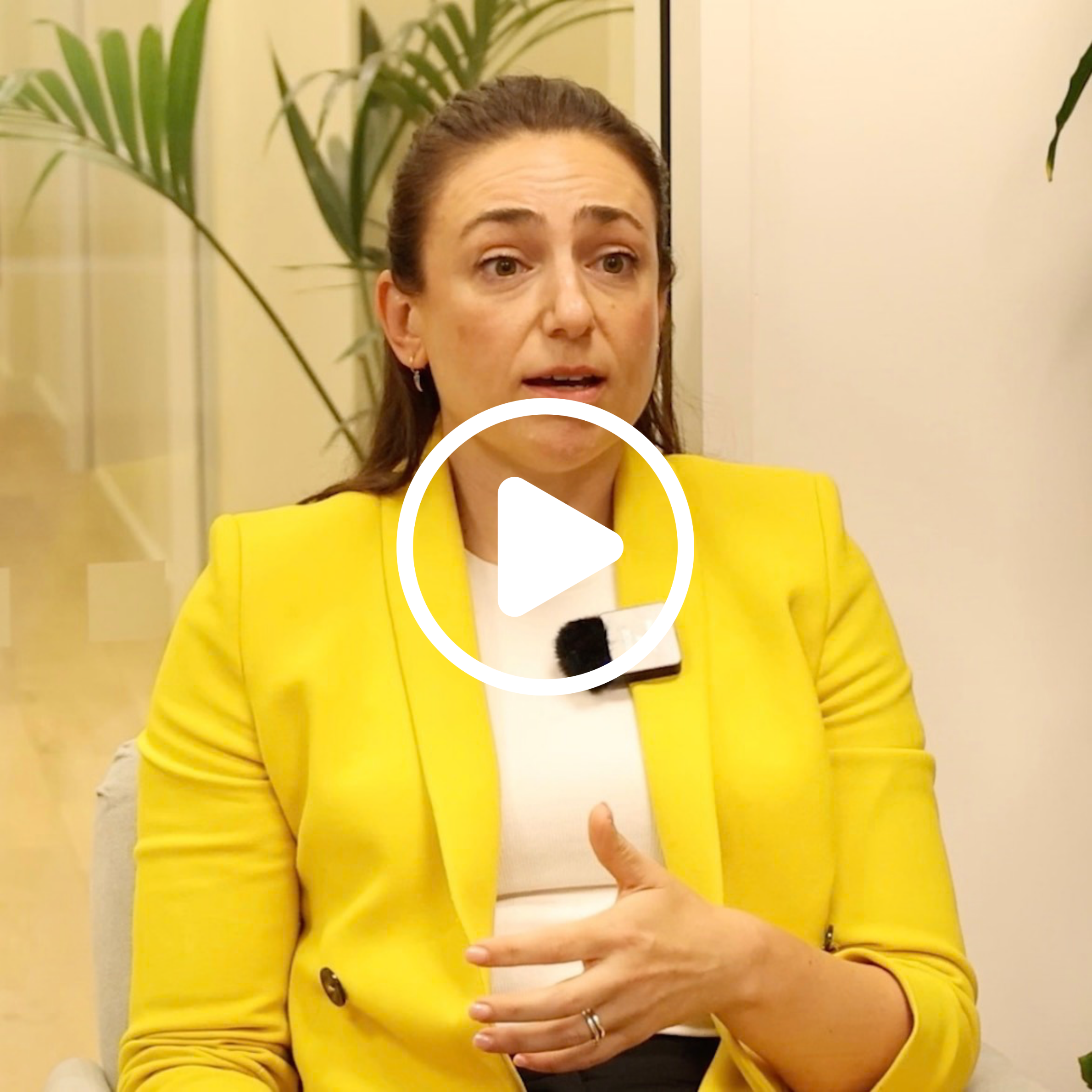
“The middle office sits at a crossroads within a private equity firm, connecting various parties – from the investment professionals to the investors and other third parties like accountants, depositories etc. The role of this function is to coordinate the information flow and make sure operations are executed and booked correctly,” says Patrycja Dos Santos, middle office specialist at AssetMetrix.
She adds that the role of the middle office is to provide efficient and transparent information flow to the right people. It ensures that operations are executed, controls are in place, and decisions can be made based on accurate and timely information.
Outsourcing for smooth operations
Despite being of critical importance, these processes do not fall into a PE manager’s core competencies of as investment analysis, deal sourcing and value creation.
This has generated an uptick in the outsourcing of middle office operations, allowing PE firms to allocate more resource and attention to their strategic objectives. Expert service providers can help firms optimise operational efficiency without compromising on the quality of the processes involved.
In fact, delegating these tasks to a third party also provides managers with access to specialised expertise which may be challenging to develop in-house. Cost optimisation and risk mitigation are other factors driving the appeal of outsourcing here.
PE firms also face mounting pressure in relation to regulatory compliance and in this context, third party partners can support managers in ensuring they comply with reporting requirements which are becoming ever-more complex.
Regulations like the Alternative Investment Managers Directive (AIFMD) and its soon-to-be issued review, the Sustainable Finance Disclosure Regulation (SFDR) and Anti-Money Laundering regulations are just a few examples of legislation which has necessitated the smooth operation of middle office functions.
The need for speed
The pace of information exchange has also accelerated, with the need for data and knowledge sitting at the heart of the middle office evolution.
“The current priorities of middle office professionals are to drive faster and more comprehensive information flow. Information needs are going deeper and cover regulatory requirements, ESG qualifications, and portfolio analysis, among other things,” Dos Santos observes.
The regulatory changes witnessed across the financial industry has meant regulators and investors have much higher expectations related to the information they need to receive and internal teams have also become more demanding in terms of the information they need and want.
“I have seen the industry change over the course of the past 20 years. Previously, you could wait up to three months after quarter end for a report. Now, no one would agree to that. The turnaround on information is now so much faster,” said Dos Santos.
But getting this faster access to information is not always straightforward. Historically, the transfer of knowledge involved several layers of manual processes; processes which are not sustainable over the long term, especially when managers are looking to scale their business.
The technology answer
“Technology is the key,” states Dos Santos, “However, the main challenge in the middle office is adopting technology at the right pace. Firms need the means to develop technology internally or find the right partners to support their requirements and ambitions.”
Technological process has brought in a wave of transformative solutions to the private equity industry and has now been changing the delivery of middle office functions and processes. For example, artificial intelligence (AI), machine learning, and robotic process automation (RPA) offer the ability to extract and structure data efficiently.
“Technology has advanced a lot over the past several years. AI, machine learning and RPA have made significant investments in private equity to allow managers to extract that data and put it into a standardised system,” explains Balkin.
Therefore, leveraging these technologies enables private equity firms to streamline data management processes, reduce manual efforts, and gain actionable insights.
Technology solutions also introduced integrated workflow and task management capabilities within private equity firms, enabling streamlined collaboration and efficient task execution in the middle office.
These systems provide a centralised platform allowing teams to track, assign, and manage tasks related to trade processing, reconciliation, cash management, and other operational activities. Such automated workflows and notifications enable middle office professionals to ensure tasks are completed in a timely manner. This also reduces the risk of bottlenecks and improves overall operational efficiency.
Progress in technology has also revolutionised managers’ capabilities in relation to portfolio and risk analytics (see article on page 10 for more information). These tools offer advanced modelling and scenario analysis which helps middle office professional assess the impact of different market conditions and better evaluate risk factors, leading to an enhanced ability to take informed decisions.
Technology is playing a crucial role in streamlining middle office processes within private equity firms and therefore contributing to operational excellence across the industry. However, Dos Santos notes these solutions are not a one-size-fits-all. She says: “The technology needs to be flexible and adaptable to different organisational patterns and requirements. A game-changer in middle office development will be solutions that are specifically designed to focus on different phases of the investment process and that can be interconnected. The challenge is then integrating them into a comprehensive system while providing the flexibility to turn modules on and off based on specific organisational needs.”
Rising above the competition
Driving operational excellence can serve private equity managers well given competition is consistently on the rise. In this context, managers need to craft a compelling story to differentiate themselves in a crowded market and showcase their unique value proposition. Balkin notes: “Our clients always want to be able to tell a story around what makes their approach to investment selection and management better than their peers. They want to demonstrate both quantitative and qualitatively how they are adding value, and how their process is repeatable. In order to do that effectively across a broad set of metrics you need a broad set of data, which is consistently growing.” Therefore, effective storytelling, backed by concrete data and repeatable strategies has become crucial for attracting investors and securing capital. Having a high-performing middle office can help support managers’ fundraising efforts in this regard.
“Being able to combine this data with alternative datasets, using advanced analytical tools to extract data from the target portfolio company can see managers gaining a real competitive advantage,” says Balkin.
Integrating data from diverse sources and benchmarking it against their portfolio can allow firms to extract valuable insights that drive investment performance. These insights mean managers are then able to make informed investment decisions, enhance operational efficiency, and deliver superior returns.
A constant evolution
Although many solutions and streamlined processes have emerged to help enhance firms’ operational excellence. More is yet to come…“Middle office processes in private equity are constantly evolving to meet the challenges of information requirements and new investors entering the asset class. It’s an exciting and dynamic field with many developments on the horizon,” concludes Dos Santos.
In an industry characterised by increasing complexity and competition, private equity firms are fast understanding the need to leverage middle office solutions to help them thrive. By embracing technology, outsourcing non-core functions, and establishing robust data management processes, firms can enhance their operational alpha and set themselves up for success.