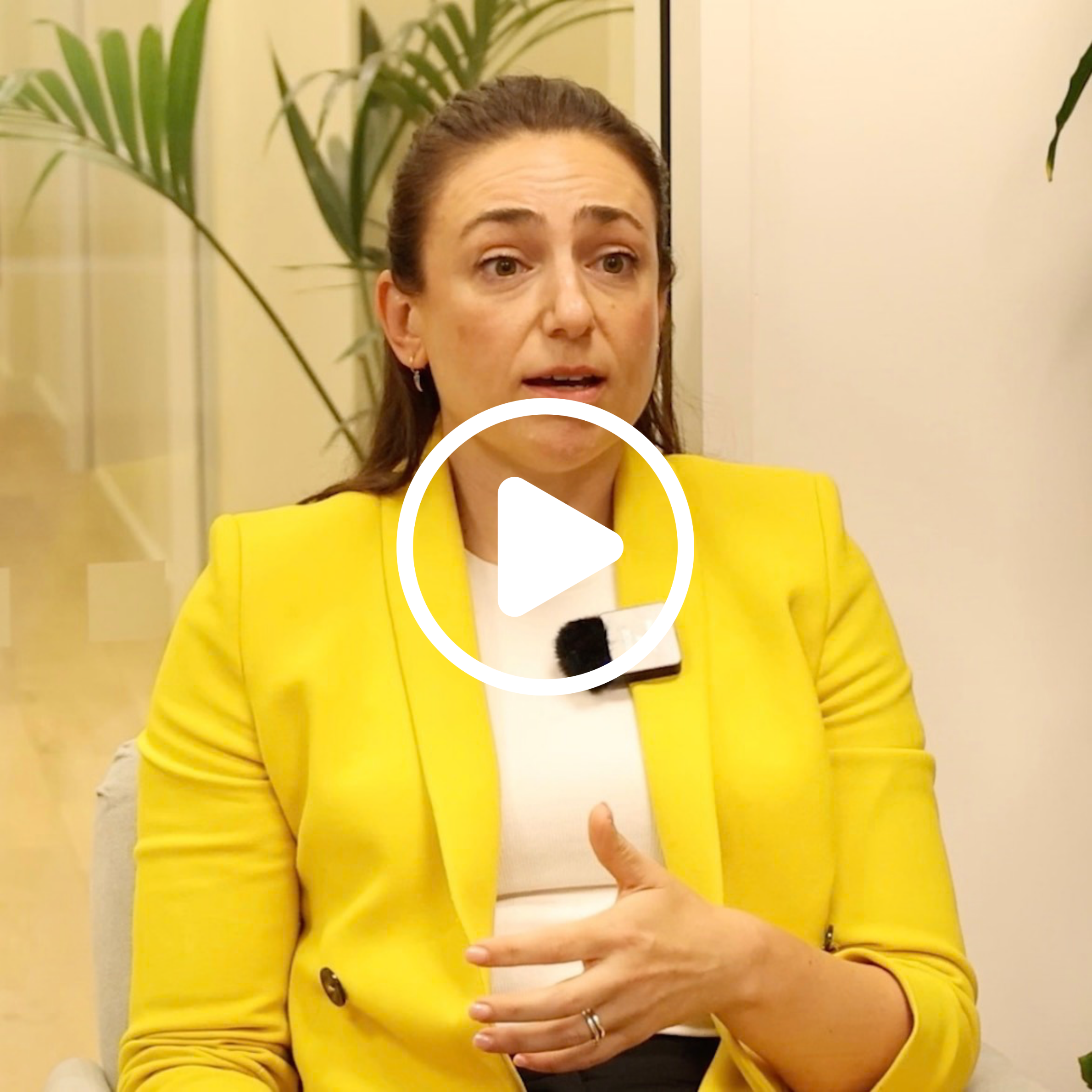
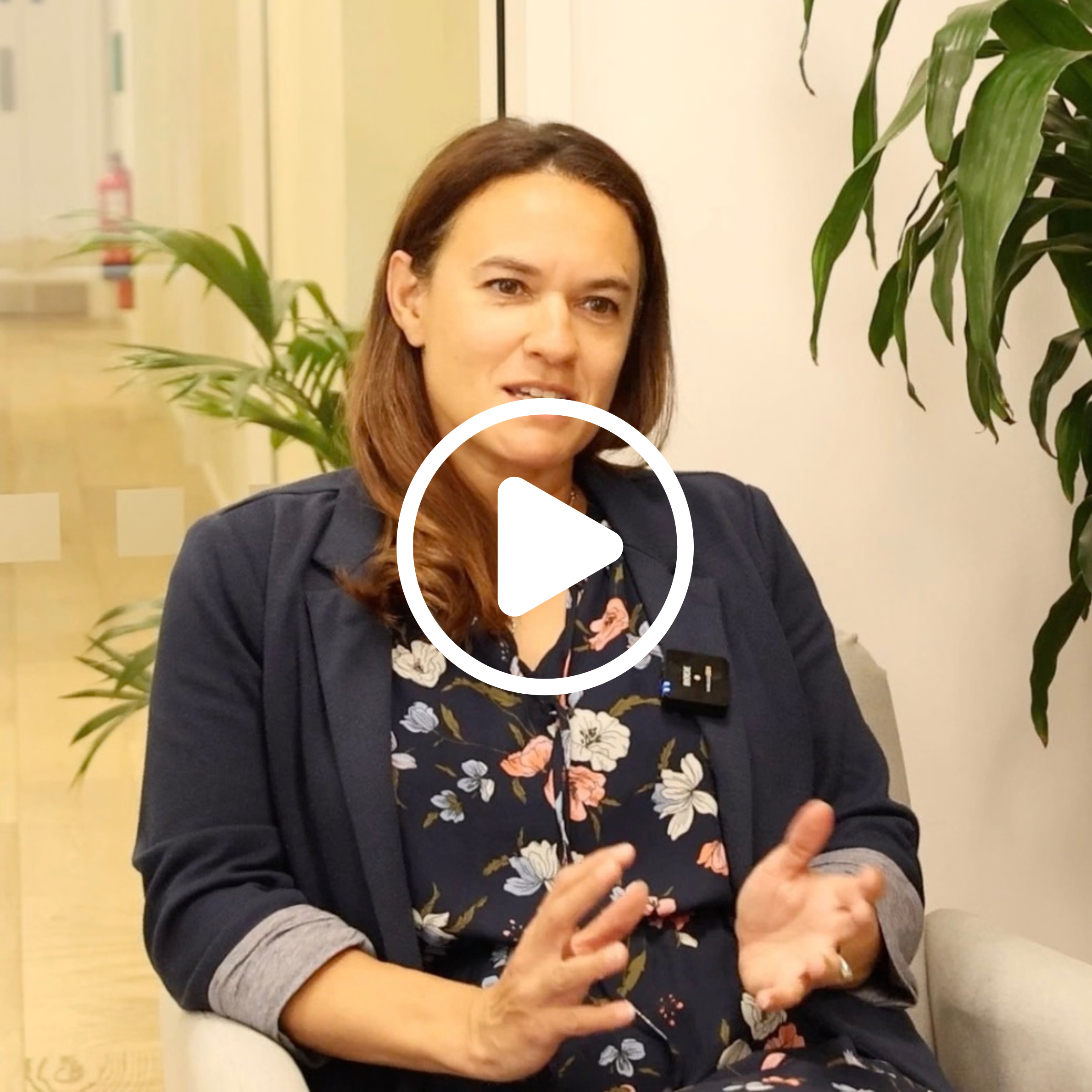
Dating app operator Bumble is in advanced talks to be acquired by newly formed investment firm Ithaca Holdings in a take-private deal valuing the company at approximately $1bn, according to a report by The Wall Street Journal.
Ithaca Holdings, founded by former Sequoia Capital partner Ravi Gupta and former Meta executive John Hegeman, is seeking to acquire businesses where it can deploy advanced technologies, including artificial intelligence, to improve operations and drive growth.
The proposed acquisition would be among the firm’s first major transactions. A deal could be announced as early as this week, although negotiations remain ongoing and an agreement is not guaranteed.
Bumble founder Whitney Wolfe Herd is expected to retain an interest in the business by rolling over part of her existing stake and remaining involved following the transaction, according to people familiar with the discussions cited by the WSJ.
The potential transaction follows a sharp decline in Bumble’s valuation since its 2021 initial public offering, when the company reached a market capitalisation of more than $14bn. Its market value had fallen to approximately $389m before news of the talks emerged.
Shares in Bumble rose around 50% on Monday following reports of the potential buyout.
The company has faced declining user engagement and increased competition in the online dating market, particularly among younger users. Bumble reported a 15.2% year-on-year decline in second-quarter 2026 revenue to $210.5m, while its paying user base fell 16.4% to 3.2 million.
Wolfe Herd, who returned as chief executive in March 2025, has been overseeing a restructuring of the business, including the introduction of AI-powered features and changes to its original women-first messaging model.
Private equity firm Blackstone, which backed Bumble before its public listing, retains a stake of approximately 14% in the company.
The proposed acquisition comes as technology-focused investors increasingly pursue take-private transactions involving listed businesses trading at significantly lower valuations than their previous market peaks, with opportunities to improve performance through operational changes and technology investment.