At a recent seminar held in London on the implications for private equity of AIFM and FATCA industry experts concluded that engagement with the process and preparation are key.
Joe Steer, of the BVCA, who is heavily involved in the consultation process with the European Commission and now with ESMA provided a high level overview of Level 1 which is now complete and passed into law. He went on to talk about the continuing challenges facing the industry in Level 2 as discussions move from a “political to a technical game”.
Steer said the main challenges are around the scope of the directive and ensuring that exemptions achieved during Level 1 are maintained; operating conditions for private equity and in particular the requirement for a percentage of capital to be held in escrow; the role of depositaries for private equity under AIFM and finally questions around disclosure and leverage.
The BVCA in conjunction with individual members and trade bodies across Europe continues to push for what Steer described as a “tailored and proportionate regime” for private equity.
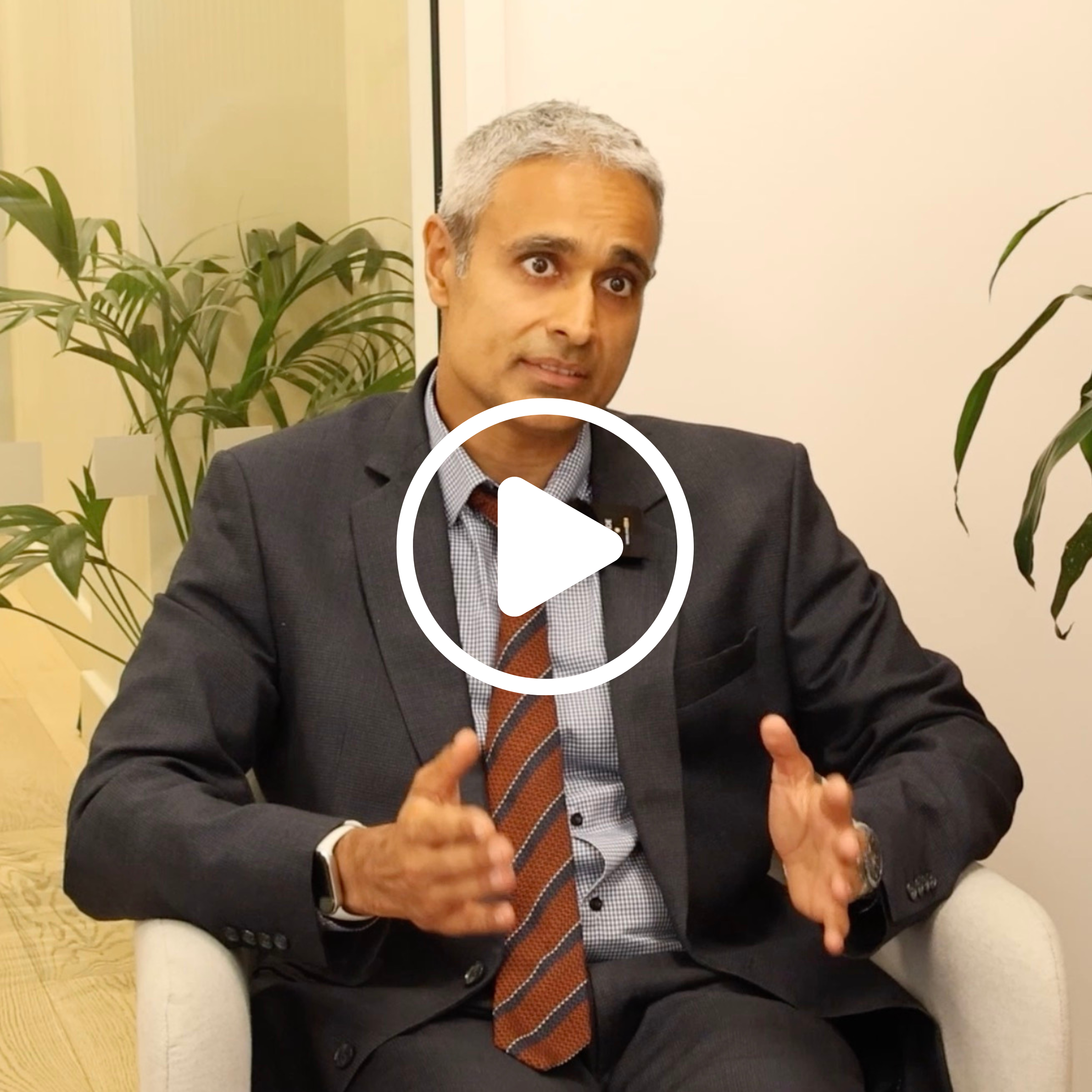
A positive outcome from Level 1 according to Andrew Boyce (pictured), a partner at Channel Islands based law firm Carey Olsen is third country provisions. Boyce who practises in the firm’s Guernsey office discussed opportunities and threats for third countries.
One of the main concerns facing the Channel Islands and other offshore jurisdictions was in effect the creation of a “Fortress Europe” whereby fund managers who are managing or marketing funds in the EU would need to move “onshore” if they wanted to continue to access EU markets. With private placement rules available until 2018 this is so far not the case. Beyond this an EU Passport will apply. According to Boyce, the “devil is in the detail” however a consultation process touse IOSCO standards for passporting is seen as positive for fund managers operating out of third countries.
Boyce also pointed out that in some cases the costs associated with the Directive mean that fund managers based in the EU “as a result of origin rather than need” are looking to move to third countries to mitigate the associated costs. A recent study by Charles River Associates, commissioned by the FSA put the one off costs for the private equity and venture capital industry at €800m with a further €280m of ongoing costs.
Debbie Payne a Tax Partner at PWC provided an update on the Foreign Account Tax Compliance Act 2009 (FATCA) a piece of US legislation enacted in response to the continued perception that U.S. individuals are not reporting all of their income earned outside the U.S. Payne encouraged firms to think now about “co-ordinating their AIFMD and FATCA programmes”.
Any entity engaged in investing is captured by FATCA as an “FFI” (Foreign Financial Institution) and therefore private equity funds regardless of their domicile are included. Payne said fund managers should look closely at the structure of their funds, their investors and their investments. In order to avoid the 30% withholding tax imposed by FATCA FFIs must comply with new reporting and disclosure requirements the first step towards which is registration ahead of the July 2013 deadline.