KKR and Borealis Maritime have acquired Hanseatic Ship Asset Management, a 100 per cent owned subsidiary of Commerzbank AG controlling a modern fleet of 18 container and dry cargo vessels, in a USD254.5 million deal through a joint venture vehicle established by the two firms.
Hanseatic Ship Asset Management (HSAM) was established in Hamburg by Commerzbank AG in 2013 as part of a strategy to efficiently reduce their loan exposure to the shipping industry. Vessels with good market prospects and highly desirable specifications were taken over by Commerzbank in restructuring non-performing lending engagements. As a result, HSAM acquired a modern fleet of 13 mid-size container vessels and 5 mid-size dry bulk vessels during the course of 2013 to 2015.
Embarcadero Maritime III, a joint venture formed by KKR and Borealis Maritime to invest in distressed shipping assets, will acquire HSAM with all its assets. Following this purchase, investment vehicles established by KKR and Borealis will jointly operate a fleet of over 50 vessels in the container, chemical, product and LPG sectors. To date, KKR and Borealis have deployed over USD600 million into vessel acquisitions and continue to pursue additional transactions opportunistically.
Christoph Toepfer, CEO of Borealis Maritime, says: "The acquisition of HSAM will significantly increase our managed fleet, making us one of Europe’s leading container vessel operators. We believe the quality of vessels being acquired from Commerzbank is second to none and this transaction is an attractive expansion of our activities with our partners KKR."
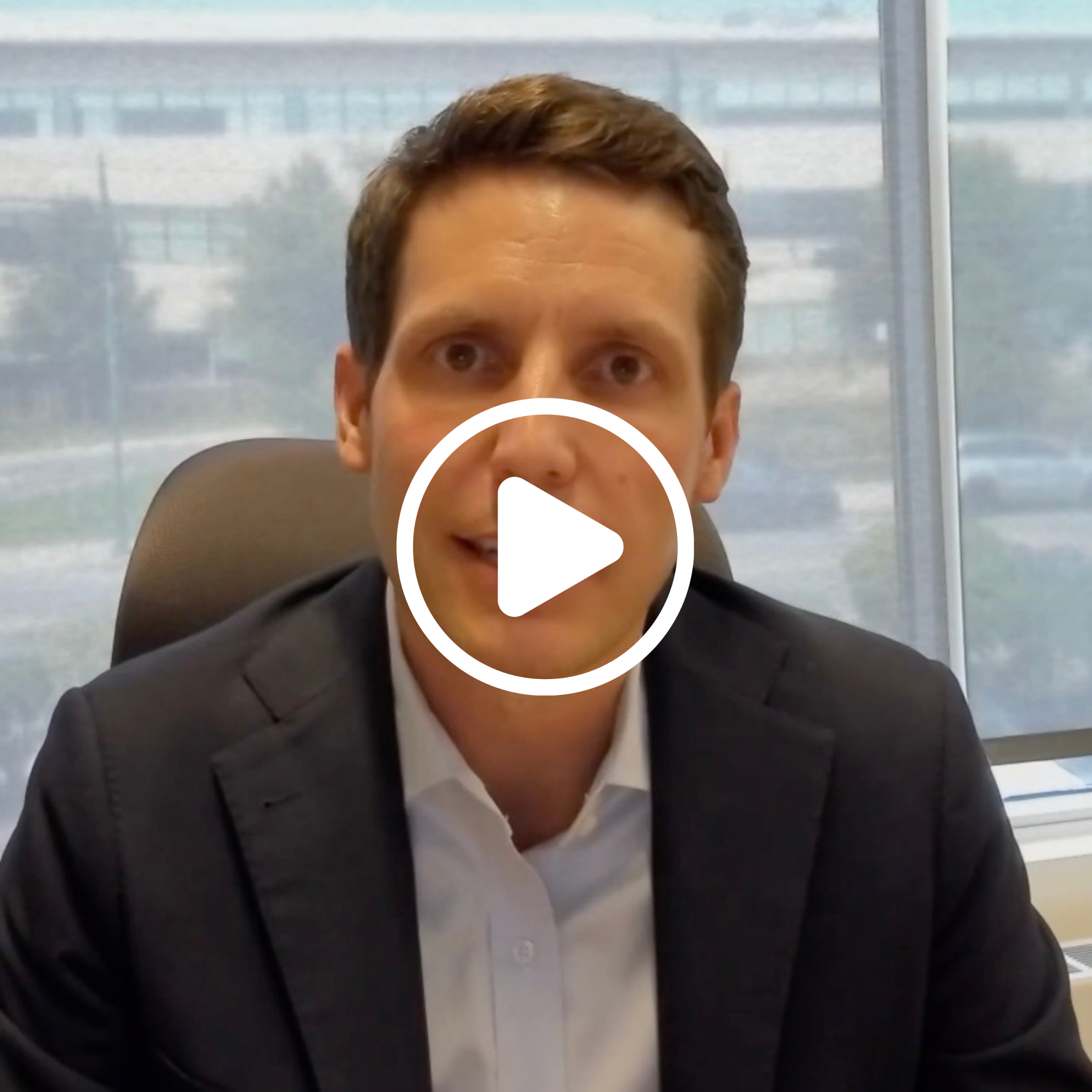
"We are pleased to acquire this high-quality fleet from Commerzbank and will continue to explore additional growth opportunities in the shipping sector," says Brian Dillard (pictured), a member of KKR's Special Situations team. Dillard continued, “Partnering with maritime lenders to offer feasible solutions to problematic lending engagements remains a core component of our expansion strategy."
KKR is funding the acquisition through certain of its managed funds and accounts, including its Special Situations Fund II, which, among other things, matches long-term capital to support the cyclical nature of shipping assets.