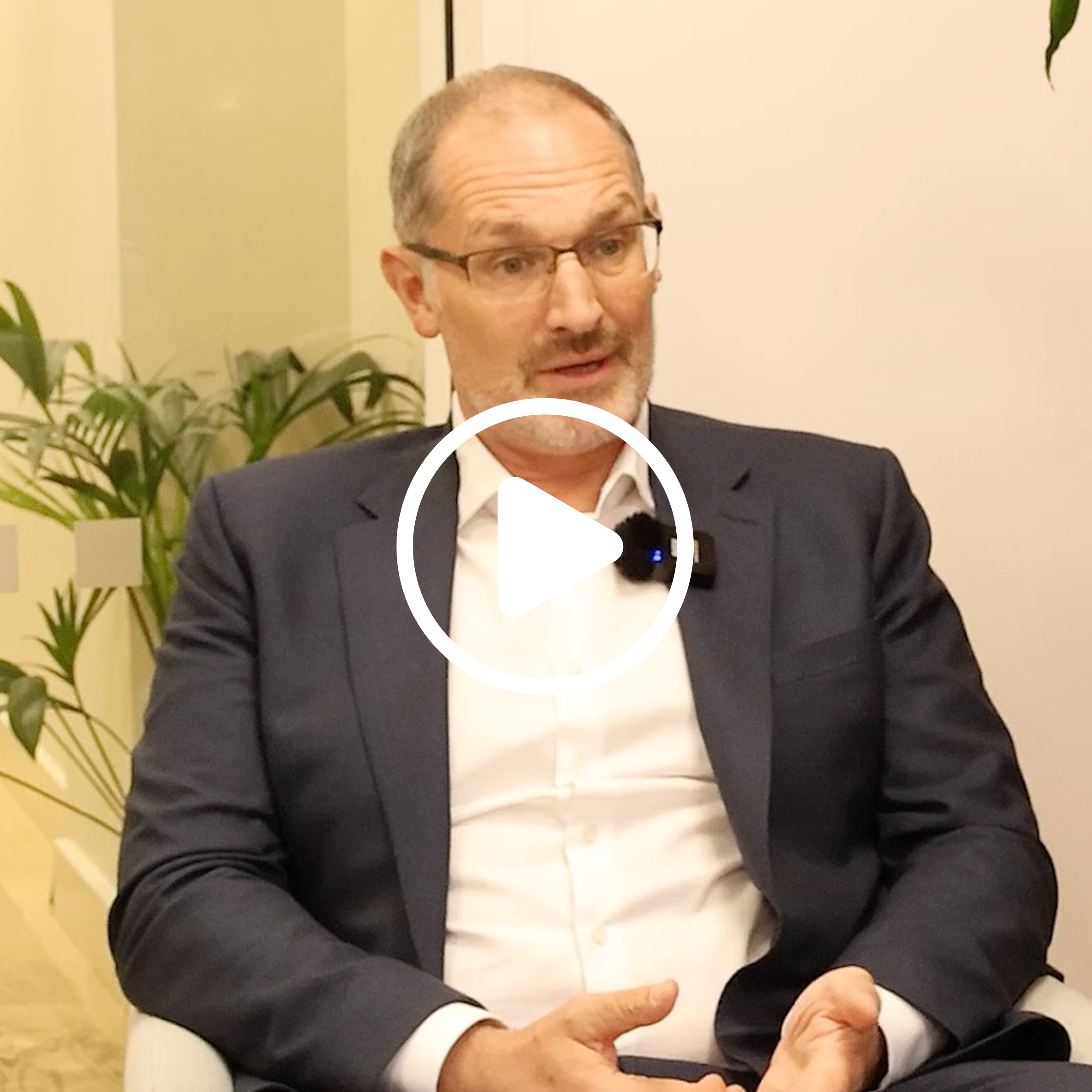
Apollo Global Management CEO Marc Rowan says the emergence of market makers in investment-grade private credit is accelerating as institutions push to create more trading liquidity in what has historically been a buy-and-hold market, according to a report by Bloonberg.
Speaking at the Goldman Sachs Financial Services Conference, Rowan noted that many private-credit issuers are large public companies whose public and private bonds already trade at comparable levels in terms of volumes, quotes and spreads. “I think markets are going to trade,” he said, arguing that the evolution toward more transparent, tradeable private-credit markets is now underway.
The comments come as Apollo continues building what it says will be the first dedicated marketplace for trading and syndicating investment-grade private credit – a platform designed to let investors buy and sell high-grade private assets more efficiently. The initiative is part of Apollo’s broader effort to institutionalise liquidity in the asset class and generate additional fee streams from trading.
Apollo, which oversaw $908bn as of 30 September, frequently originates investment-grade credit for its Athene insurance arm and other third-party insurers. Rowan said the firm has executed “close to $7bn” of private-credit trades this year despite not being a “trading firm” – a figure he expects to triple in 2026.
Efforts to create a tradeable ecosystem have also brought Apollo into closer alignment with major Wall Street banks. In May, the firm partnered with JPMorgan and Goldman Sachs to act as broker-dealers for private-credit transactions, either taking Apollo-originated debt onto their own balance sheets or pricing and placing it with external investors.
Rowan suggested that the continued build-out of trading infrastructure could shift private credit further toward a scaled, institutional market — one that increasingly resembles traditional fixed-income trading.