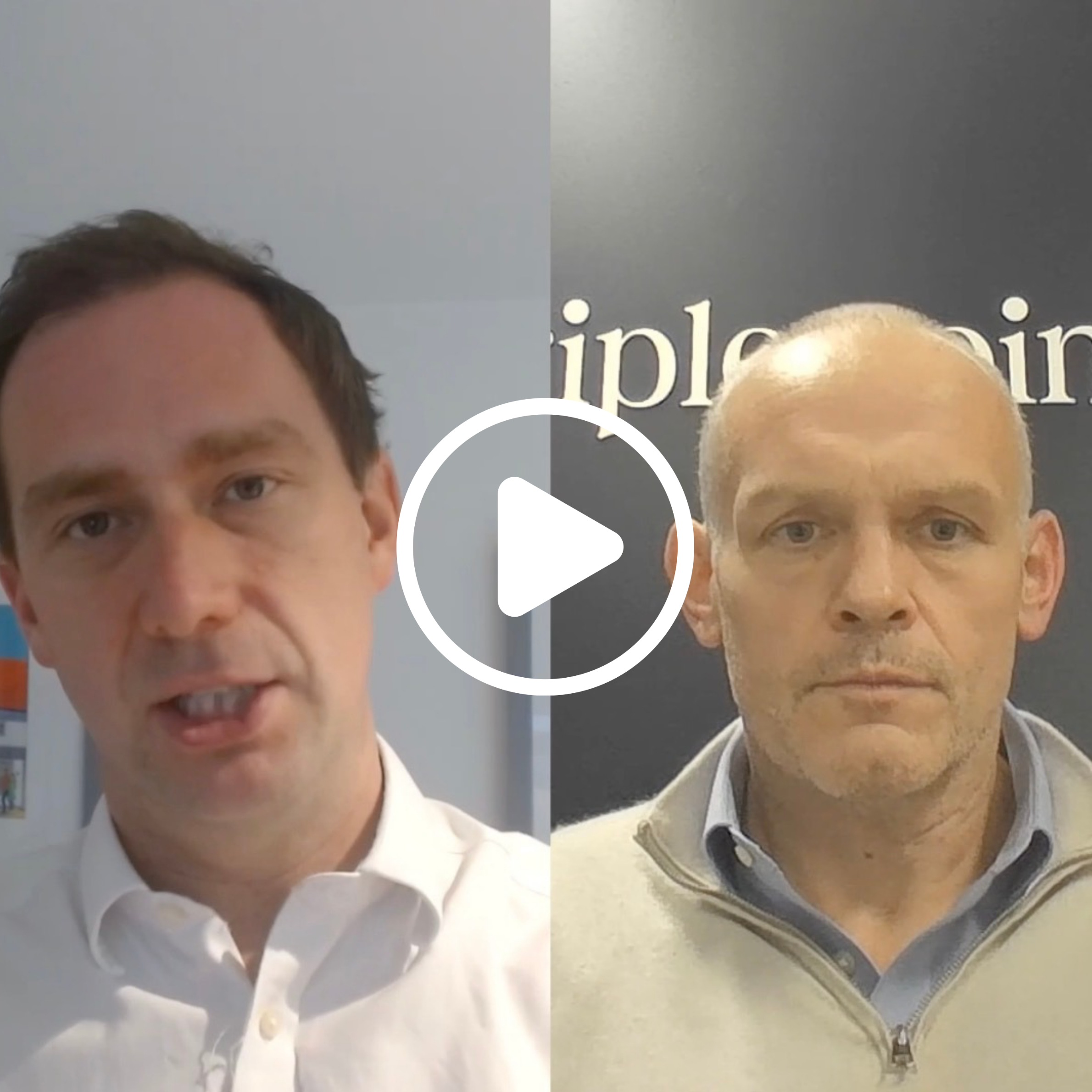
The European Commission last week proposed a directive to regulate venture capital funds. David Blair (pictured), Head of Regulation at law firm Osborne Clarke, says the new proposals will hinder rather than benefit venture capitalists…
The European Commission describes its proposal for a Venture Capital Funds Regulation as an attempt to grow levels of venture capital investment in Europe through the creation of a European passport that will enable venture capital fund managers to market their funds without seeking authorisation in each member state.
When initially announced, it was welcomed in principle by the British government. In fact, if left as drafted, the proposed regulation is likely to be more of a hindrance than a benefit to most VC fund managers and damage the industry.
The regulatory regime it creates is certainly lighter touch than the awful Alternative Investment Fund Managers Directive (AIFMD), but still imposes new burdens on fund managers. Most notably, it substantially raises the bar from the existing UK certified high net worth individual regime that was specifically crafted to assist the venture capital industry. Under the proposals, funds would generally need to impose a minimum €100,000 investment level and conduct nebulous assessments of the expertise of any individual investors.
This latter assessment opens the door to regulation by hindsight and represents a further milestone in developing a European compensation culture to outshine the United States. One can only hope that the recent applications of the doctrine of equitable estoppel in financial services claims by the UK courts will serve as a bulwark against the Commission’s abhorrence, even in a non-retail context, for the principle of caveat emptor.
However the emergence of the European Securities and Markets Authority as a super regulator with its own rulebook is likely to strip the UK courts, as well as the UK’s regulatory bodies, of their power very quickly.
The new regulation would only apply to small VC managers falling under the €500 million de minimis application level of the AIFMD. It had been widely hoped that the Commission would prepare an “opt-in” mechanism to ensure that VC fund managers who would not benefit from passporting could choose whether or not to comply with the conduct of business standards. That would have indicated a genuine attempt to bolster the venture capital industry.
But that is not the way of the European Commission, which appears to have allowed its regard for the risks of investing in venture capital investments to have trumped its desire to facilitate investment. If one is to invest in a small fund (outside the scope of AIFMD), venture capital will now be the only sector that is subject to European regulation.
So much for assisting the industry. In fact, there appear to be loopholes that could act as de facto opt-outs, but this appears to be due to poor drafting rather than design.
The other point, which appears to have gone un-noticed, is that VC fund managers can already opt in to passporting their fund marketing activities under the Markets in Financial Instruments Directive. So the availability of the VC fund managers passport is of extremely limited benefit to the industry.
If the European Commission were serious about trying to help the VC industry, it would look harder at the proposals in Solvency II that will apply a 49% capital charge on insurers wishing to invest in many types of venture capital investment; it would not be considering applying the same capital charge to pensions funds wishing to invest in venture capital; and it would have drafted with much greater sensitivity the AIFMD asset stripping provisions.
These three issues are set to erode the ability of significant players to continue to invest in the market and take a number of potential distressed assets off the table for investment by funds. With friends like the European Commission, the venture capital industry does not need enemies.