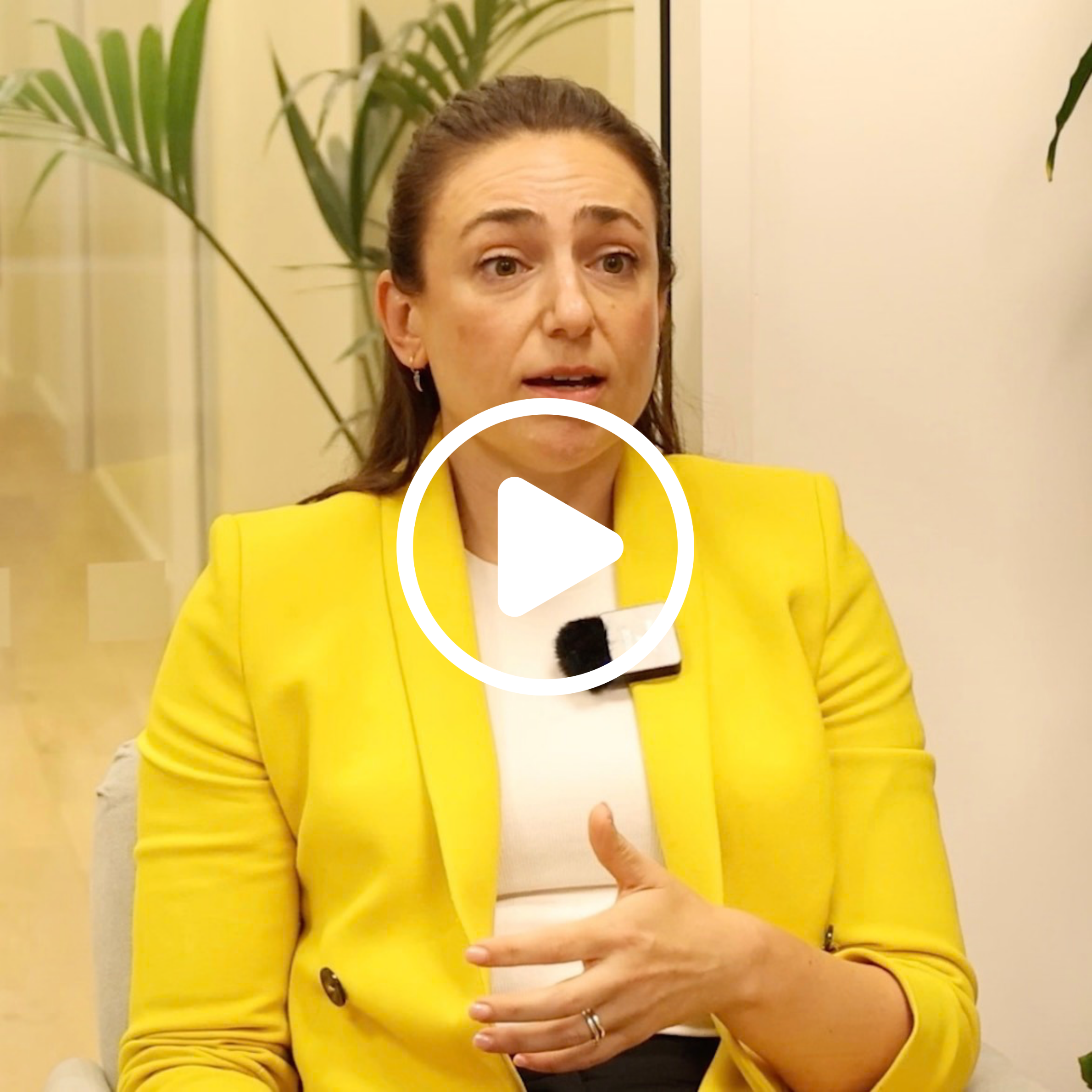
Private equity firms acquiring European insurers must demonstrate that they are prepared to support policyholders over the long term, rather than treating insurance businesses as short-term investment opportunities, according to a report by Reuters citing the European Union’s insurance supervisor.
Petra Hielkema, chair of the European Insurance and Occupational Pensions Authority (EIOPA), said private equity ownership could provide insurers with additional capital, expertise and competition. However, she warned that buyers should be prepared to remain committed well beyond the typical five-year private equity investment horizon.
“If you say you’re long term, you should be long term and long term is not five years,” Hielkema said.
Alternative asset managers have increasingly moved into insurance, attracted by the sector’s stable income streams and the substantial pools of assets managed on behalf of policyholders. The expansion has drawn increased regulatory scrutiny, particularly amid concerns about risks in private markets.
EIOPA is preparing a supervisory statement intended to help national regulators assess acquisitions of insurers by private equity firms. The framework is expected to focus on the duration of an investor’s commitment, the ownership structure of the acquiring group, transactions between affiliated entities and investment strategies that could increase risks for policyholders.
Regulators will also assess what buyers intend to do with an insurer after an acquisition and whether their plans preserve the financial strength and stability of the business.
“The question you would then need to ask is: what is your post-acquisition strategy?” Hielkema said. “You need a convincing answer to that, that also satisfies the need for prudence, consumer protection, and stability.”
EIOPA is particularly focused on the growing involvement of insurers in private credit and the use of increasingly complex reinsurance arrangements to transfer risks to related entities, including those based in offshore jurisdictions.
UK regulators are separately considering changes to the capital treatment of funded reinsurance transactions.
Private equity ownership remains a relatively small part of the European Union’s insurance sector overall, although ownership levels are considerably higher in some markets.
Around 20% of Greece’s insurance market is linked to private equity, compared with approximately 16% in Portugal and Luxembourg and 13% in the Netherlands, according to EIOPA data.
Private equity investors acquired 37 EU insurers between 2014 and 2024 and exited 11 of those investments. The remaining 26 PE-owned insurance groups held around €260 billion ($303 billion) of assets under management, equivalent to approximately 2.4% of the EU insurance market.
Hielkema said supervisors could intervene if a particular investor became too dominant in a market or if an insurer became overly reliant on transactions with affiliated companies, potentially creating concentration risks.
“In some individual cases there is a point where the supervisor will say: this is too much,” she said.
The regulatory scrutiny reflects the rapid growth of private equity’s presence in insurance in other markets. In the US, the number of PE-owned insurers rose from 90 in 2018 to 137 in 2024, with those companies holding $704 billion in cash and invested assets, according to the National Association of Insurance Commissioners.
Hielkema also cautioned that private equity investors may underestimate the challenges of applying business models that have worked in the US and UK to continental Europe, where insurance products, customer behaviour and regulatory frameworks can differ significantly.
The failure and subsequent rescue of Italian insurer Eurovita in 2023, which was owned by private equity firm Cinven, has further underscored the scrutiny surrounding private equity-backed insurance ownership.