Investments in agriculture faced a challenging year in 2024, continuing the steep downturn that began in 2023. In August, the aggregate deal value had fallen 48.7% year-on-year to around $1.5bn from just over $3bn – according to S&P Global Market Intelligence. In contrast, the total aggregate deal value in 2022 stood just shy of $25bn.
Deal volume fell just as sharply, falling to 114 from 158 during the same period. This decline, however, has not deterred Astarte Capital Partners.
The firm, founded in London a decade ago, focuses on investments aligned with major macroeconomic trends such as climate change mitigation, demographic shifts, resource efficiency, food insecurity, and technological innovation.
Recently, Astarte joined forces with Chile-based Toesca Asset Management to launch a $350m regenerative agriculture investment platform – focused on Chile and the wider Latin American region. Regenerative agriculture fits across a few of the above trends.
Regenerative agriculture practice shifts from depleting resources to restoring them by improving soil health, conserving water, and boosting biodiversity through practices like crop rotation and organic enrichment.
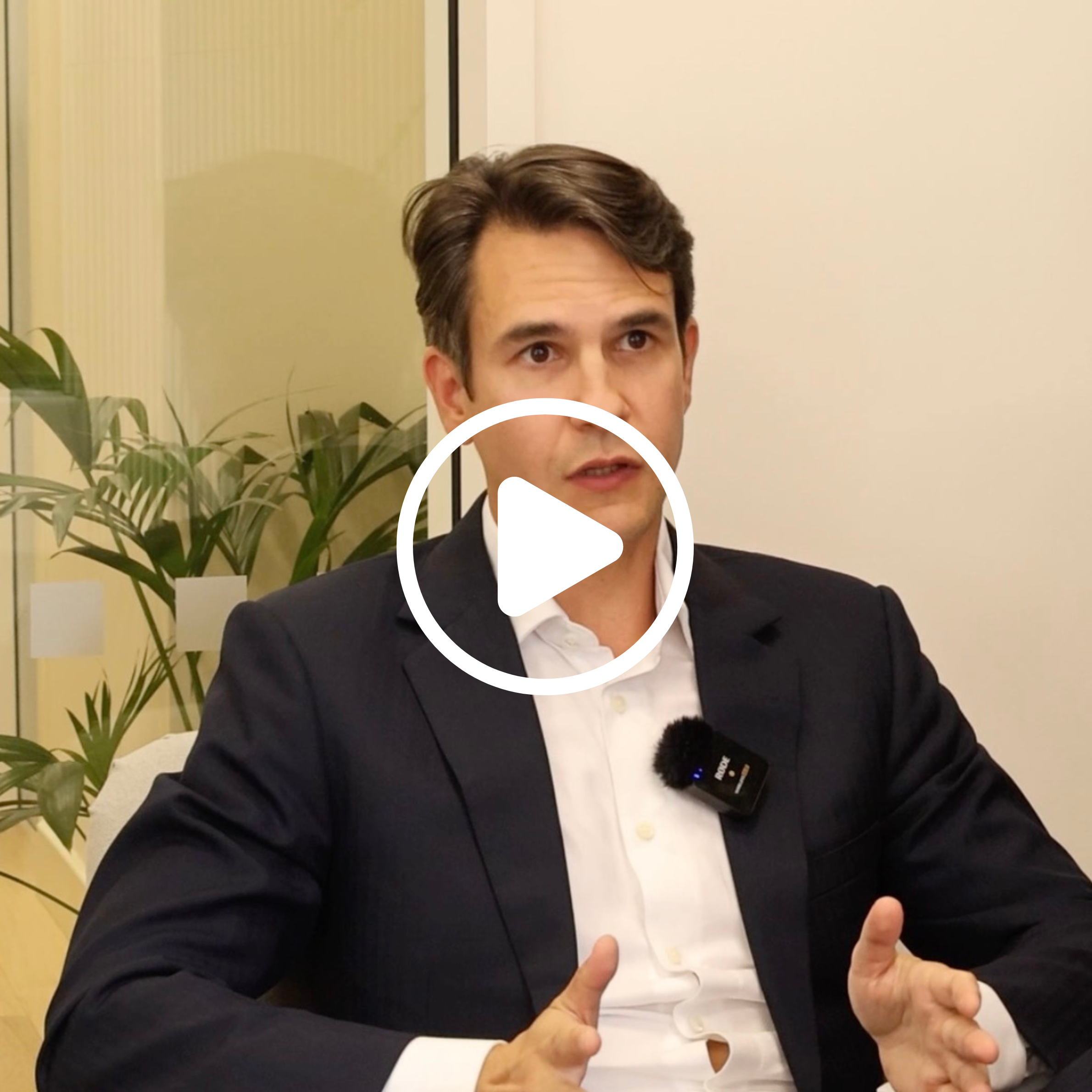
“It’s important because less land and water are available, and yet we have an increasing population,” Astarte Capital’s Co-Founder and Managing Partner, Stavros Siokos, explains. “If we do not utilise techniques that take care of the soil and the plants, and ensure the water is used optimally, we will run out of food. It’s not rocket science.”
His Co-Founder Teresa Farmaki agrees.
“Regenerative agriculture is an emerging sector with tremendous potential, acting as a crucial catalyst for sustainability and food security,” she says. “Developing sustainable agricultural assets, [such as farms], generates significant environmental and social benefits.”
Private markets can play a pivotal role here, Siokos believes.
“Regenerative agriculture has to do with land and, largely, investments in land rest in the hands of private individuals or institutions. To have an impact, change would have to be implemented farm by farm – only private capital can make this happen,” says Siokos.
Astarte’s strategy involves acting as a strategic partner and catalyst for asset managers, operators, and thematic investment platforms with a strong track record and high growth potential within their asset classes.
“Social and environmental impact are huge parts of what we do, and we look for the same across all the platforms we invest in,” says Siokos.
Going global
The decision to invest in emerging markets is an obvious one when considering the type of work Astarte Capital intends to undertake, Siokos explains.
“We have to take a global perspective: the most affordable land, and the highest quantity of resources and water are available in Sustainable Climate Investment Regions like South America and Southeast Asia.
“We need to – as the western world where vast pools of capital are centered – try to tap into these resources. This is Astarte’s focus as a firm, and we try to bring these opportunities to institutional investors around the world,” he says.
For its latest investment, with its focus on regenerative agriculture, Astarte Capital determined that Latin America was the best place due to the climate, water, land availability, and know-how.
But identifying the market was just the beginning. As Siokos explains, emerging markets can’t simply be treated as a single, homogenous geography.
During Astarte’s research – of which Siokos says there has been a lot – the firm broke the market into four subgroups, for a more systematic approach to risk management.
The first, which includes countries like Argentina, are rich in resources but affected by internal instabilities and currency risks, posing its own investment challenges.
The second covers high-risk geographies like Venezuela and Ecuador, which face political instability and a lack of democracy.
Nations like Brazil make up the third category, as although they are resource-rich, they are difficult markets to penetrate without a local presence.
And finally, countries like Chile, Paraguay, Colombia, and Peru, constitute the fourth category, characterised by their political stability, US-dollar-based economies, and abundant land and water.
For this fund, Toesca Permanent Crops II, Astarte Capital settled on Chile, with the goal of investing in a diversified portfolio of permanent crops grown using regenerative and sustainable practices.
Starting in early 2025, the initial investments will focus on avocado, hazelnuts, and cherries – which are experiencing a significant rise in global demand due to shifting consumer preferences towards healthier eating habits and their contribution to food security. There are also plans in the works to expand strategically into Peru and other Latin American markets.
Toesca and Astarte have already committed around $45m of sponsor capital to start investing in the strategy.
 Dr Stavros Siokos, Co-Founder, Managing Partner and Member of the Investment Committee, Astarte Capital Partners – Stavros Siokos is the Co-Founder, Managing Partner and Member of the Investment Committee at Astarte Capital Partners, an investment firm based in London and global presence, focusing on real assets strategies within the areas of natural capital, sustainable infrastructure and real estate. Stavros is responsible for overseeing the firm’s strategy across various markets and strategic initiatives, as well as driving business development and growth opportunities for the firm. He has more than 30 years of experience in building and managing businesses in various areas of Capital Markets, Asset Management and Alternative Investments.