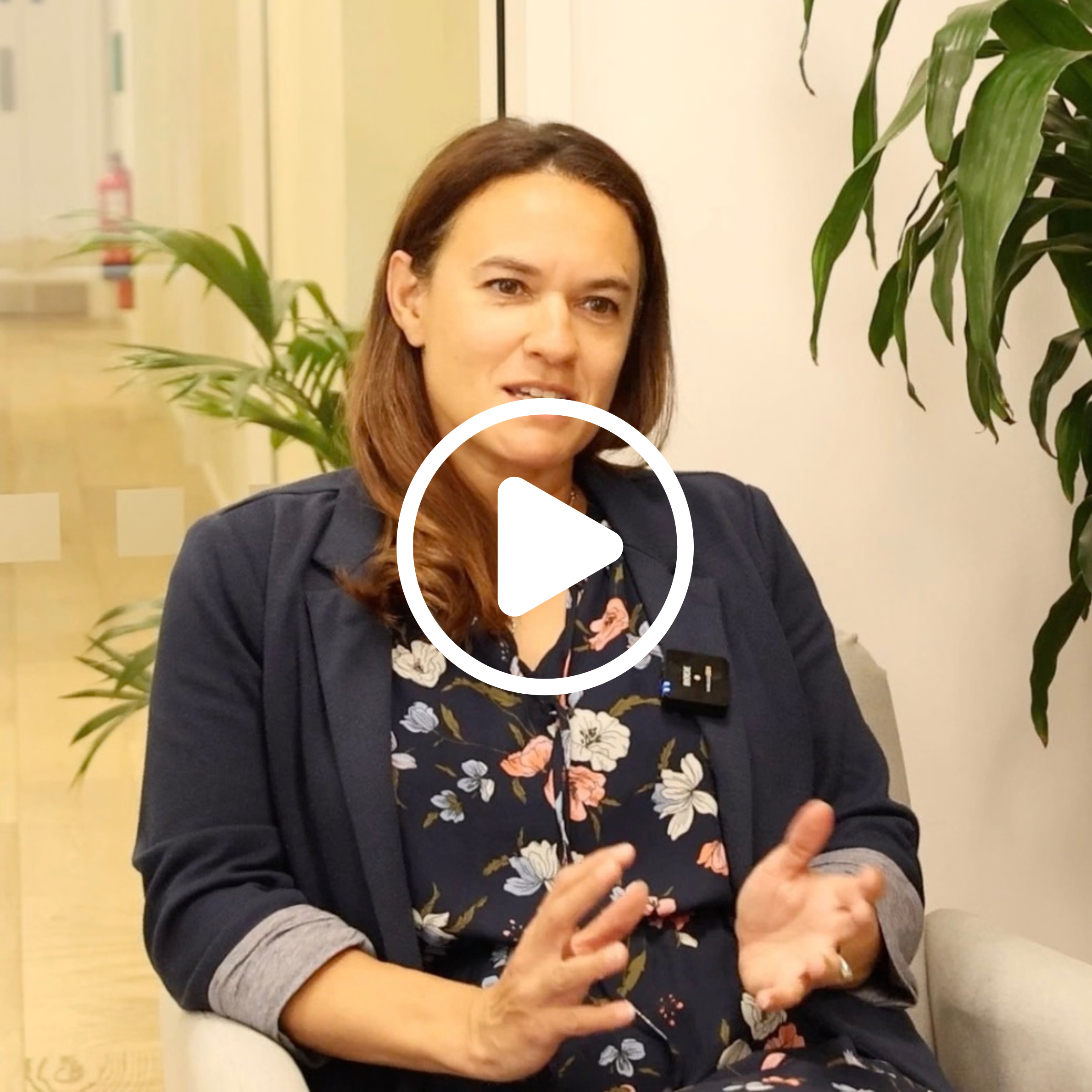
Mega-deal activity is expected to remain a key driver of an accelerating mergers and acquisitions rebound through the second half of 2026, with private equity sponsors continuing to play a central role, according to a report by Bloomberg citing comments from Alex Kelly, a senior executive at Latham & Watkins LLP.
In a Bloomberg TV interview from the SuperReturn conference in Berlin, Kelly, global co-chair of the firm’s M&A and private equity practice, said dealmaking patterns this year are likely to mirror 2025, when early optimism was tempered by macroeconomic and geopolitical headwinds before activity rebounded strongly later in the year. She noted that underlying market fundamentals remain supportive, particularly the large volume of undeployed capital and improving access to financing.
A persistent backlog of private equity-owned assets is also expected to fuel transactional activity, as sponsors increasingly seek exits through structured solutions such as continuation vehicles and secondary transactions. Kelly highlighted the rapid expansion of the secondary market, which has grown substantially in recent years as investors look for alternative liquidity options outside traditional IPO and trade sale routes.
Industry participants are also seeing continued consolidation within asset management, with larger platforms expanding through acquisitions of smaller firms in order to broaden product capabilities and capture a greater share of institutional capital flows. Recent fundraising dynamics suggest a concentration of inflows among the largest managers, reinforcing this trend.
Despite ongoing volatility in global markets, Kelly said there is a growing acceptance that uncertainty is now a structural feature rather than a temporary disruption. As a result, sponsors and investors are increasingly reluctant to delay transactions in anticipation of more stable conditions, instead prioritising execution and opportunistic deployment of capital.