S2G Investments has raised $1bn for its debut institutional fund since spinning out as an independent firm, targeting growth-stage companies focused on energy resilience and food security amid rising global input costs and supply chain pressures, according to a report by the Wall Street Journal.
The Chicago-based firm said it closed its S2G Solutions Fund I after roughly 20 months of fundraising, with capital already deployed across 10 investments and one completed exit. The fund has so far invested about $300m, including backing Urbint, an AI-driven infrastructure safety software provider later acquired by Itron.
Originally founded in 2014 by Lukas Walton, grandson of Walmart founder Sam Walton, S2G operated for several years within the Walton family office structure before becoming fully independent around two years ago. The latest vehicle is its first fund raised from a broader base of institutional investors.
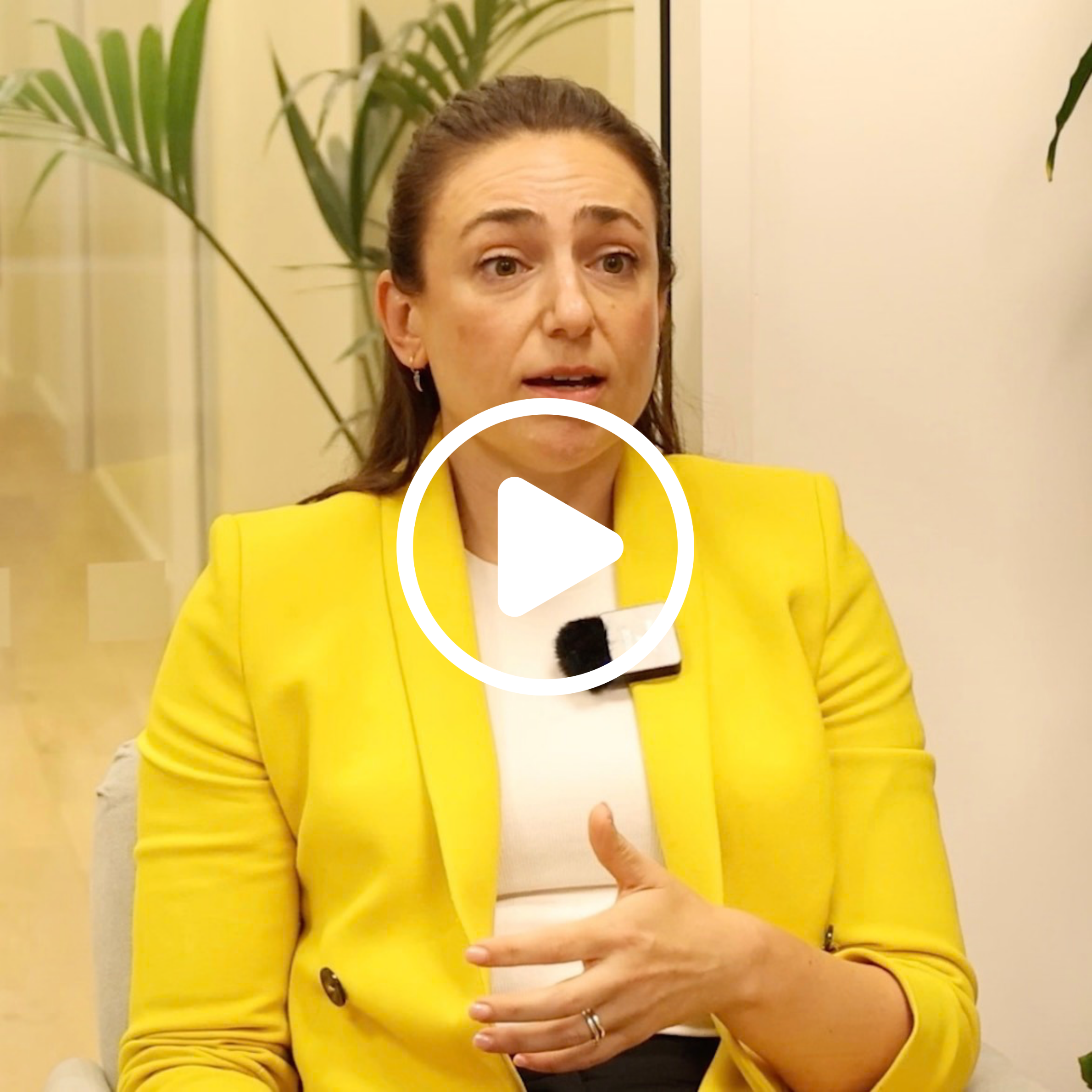
Managing Partner Aaron Rudberg said the strategy focuses on businesses positioned within critical energy and agricultural supply chains, particularly those improving productivity, resilience and efficiency in resource-intensive industries.
S2G manages approximately $2.8bn in assets and has backed more than 120 companies to date, with a growing emphasis on technologies that sit between traditional venture capital and large-scale buyout or infrastructure investing — a segment often referred to as the “missing middle.”
Recent investments include XOcean, which develops autonomous vessels used in offshore energy and subsea infrastructure monitoring, and Echandia, a manufacturer of electric battery systems for ferry operators. Both deals were made through the new fund.
The firm also invested in Exacto, an agricultural inputs company focused on improving crop yields through chemical additives and formulation technologies, supporting expansion into research and development capabilities and product innovation.
S2G said its investment approach increasingly spans energy, agriculture and marine systems, reflecting converging demand for technologies that improve efficiency across global supply chains. The firm also highlighted growing use of artificial intelligence in portfolio companies to accelerate product development and operational improvements.