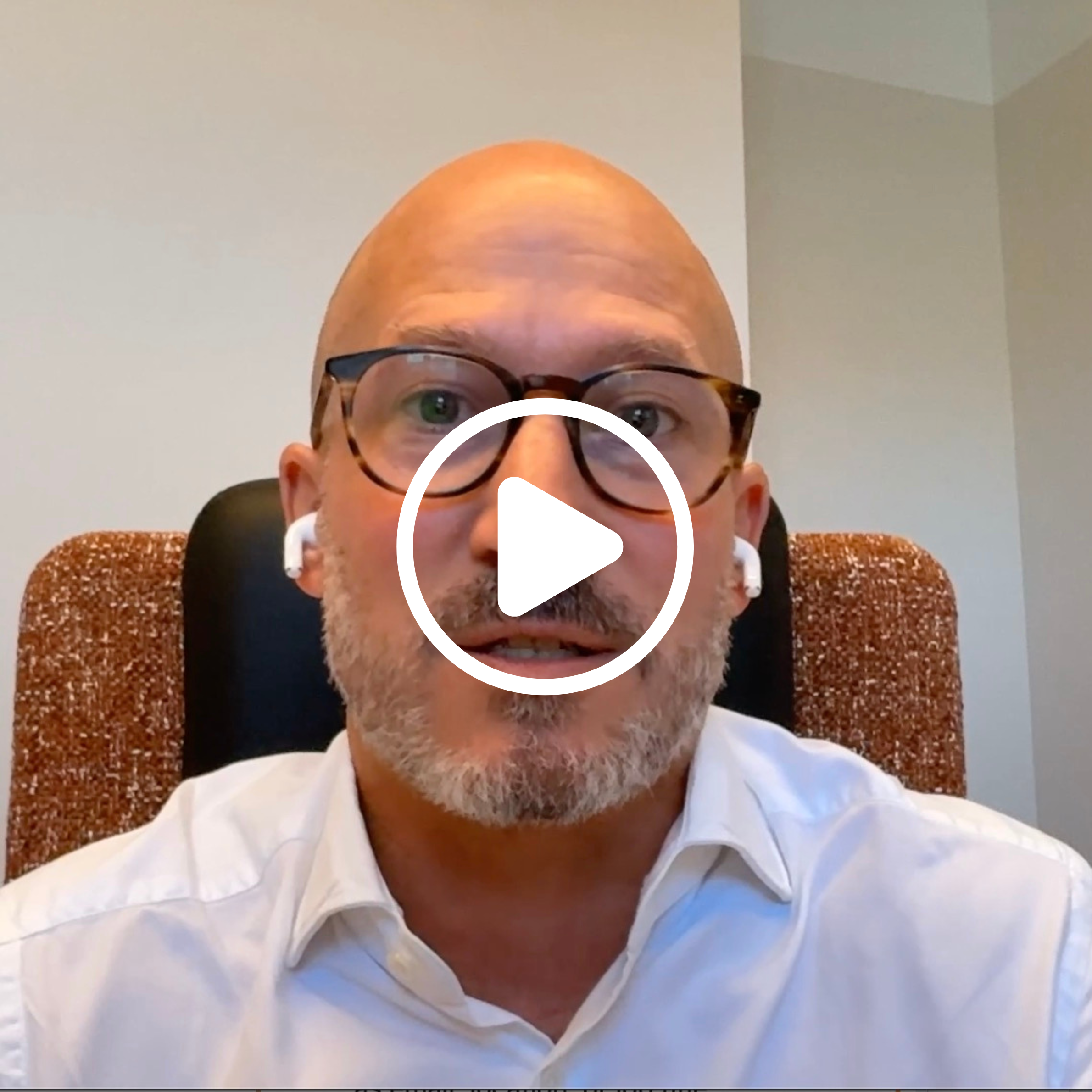
Josh Easterly, Co-Chief Investment Officer of Sixth Street Partners, has urged caution over increasing investor complacency in private credit markets, warning that fundamental risks are being underestimated as capital continues to flood into the asset class, according to a report by Bloomberg.
Speaking on Bloomberg Television, Easterly pointed to a disconnect between the volume of capital inflows and the availability of high-quality lending opportunities. “Private credit markets are relatively complacent,” he said, adding that credit spreads have not widened in line with underlying risk.
“Spreads aren’t moving as much as they should,” Easterly observed, highlighting investor underappreciation of both interest rate and credit spread risk. With floating-rate instruments yielding more in the current environment, he warned this dynamic is likely to reverse should central banks shift to a rate-cutting stance.
“Today’s yields are not tomorrow’s yields,” he said. “We’re in an environment of lower growth, which is bad for all investors. Credit is honestly really tricky right now.”
Against this backdrop, Easterly sees opportunity not in traditional sponsor-backed deals, but in more complex transactions where Sixth Street can leverage its structuring capabilities.
“In regular-way sponsor finance, we don’t see value there at the moment,” he noted. “There is a great opportunity on the more complex side.”
Sixth Street, which manages over $100bn in assets, has increasingly focused on bespoke financings and off-market deal origination. In the first quarter, 84% of new fundings from its direct lending platform were sourced outside the sponsor ecosystem, with the firm’s investment in Bourque Logistics cited as a notable example.
As CEO of Sixth Street Specialty Lending, Easterly has emphasised the firm’s ability to structure solutions for companies navigating today’s more volatile macroeconomic environment.
In a May letter to stakeholders, Easterly said the firm anticipates a prolonged period of lower growth, elevated volatility, and higher risk premiums, suggesting that the current macro environment may represent a structural inflection point.
“In the long arc of the economy, we consider the current upheaval to global trade as more significant than the Covid stimulus and even the global financial crisis,” he wrote. He described the current period as potentially “the most significant event” in shaping long-term economic outcomes.