TPG has characterised its new collaboration with OpenAI as consistent with its broader approach to corporate partnerships, positioning the initiative as an extension of its existing operating model rather than a departure into experimental territory, according to a report by Bloomberg.
The private equity firm recently joined OpenAI, alongside Bain Capital and Brookfield Asset Management, in launching OpenAI Deployment Co, a vehicle initially backed by $4bn aimed at accelerating enterprise adoption of artificial intelligence tools.
Under the arrangement, participating portfolio companies will gain access to OpenAI’s technology stack and, in some cases, the opportunity to embed approximately 150 OpenAI engineers directly within their organisations to support implementation and operational integration.
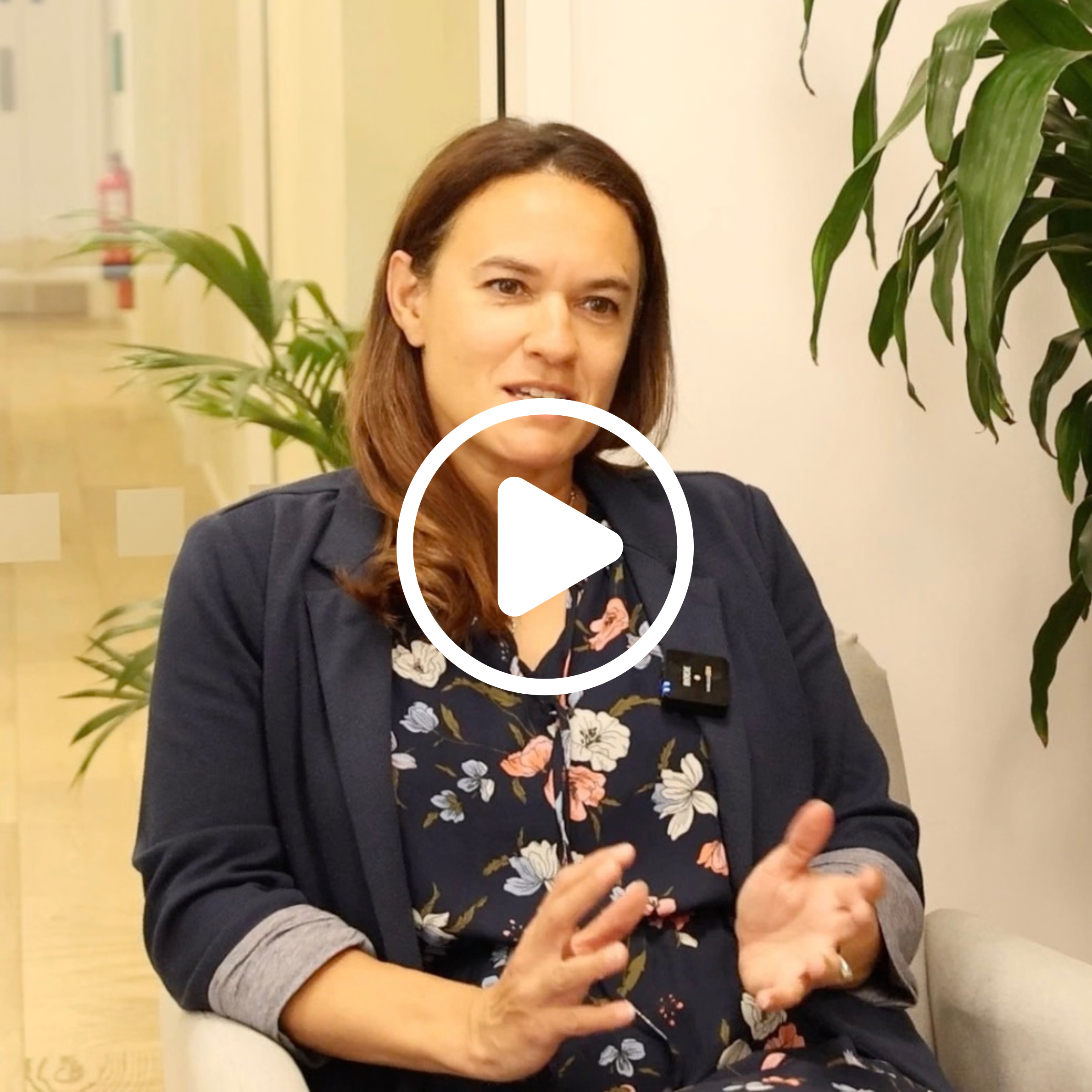
Speaking in a Bloomberg Television interview, TPG Partner David Trujillo said the firm already works with a wide range of major corporate partners across industries, including Intel, Humana, UnitedHealth Group, and AT&T, and that the OpenAI collaboration fits within that established framework.
He added that the initiative reflects growing demand from portfolio company management teams to deploy AI tools more broadly, while emphasising that the structure is non-exclusive, allowing companies to work with other artificial intelligence providers if they choose.
TPG also said it views OpenAI as a leading participant in the artificial intelligence sector, though it declined to comment on reports suggesting any guaranteed returns were included in the arrangement.
The initiative comes amid a broader wave of AI-focused partnerships across the private equity industry. Competitors including Blackstone, Goldman Sachs, and Hellman & Friedman have announced a separate collaboration with Anthropic, backed by $1.5bn, aimed at accelerating enterprise deployment of advanced AI systems.
Trujillo noted that many portfolio company executives are still early in their adoption journey, with firms actively testing AI tools and evaluating cost structures, leading to what he described as a period of experimentation in how AI is implemented across operations.