The majority of senior corporate executives expect demand for, and scrutiny of, fairness opinions to increase in the US and Europe in 2009, a survey suggests.
The majority of senior corporate executives expect demand for, and scrutiny of, fairness opinions to increase in the US and Europe in 2009, a survey suggests.
In the fourth quarter of 2008, Duff & Phelps commissioned mergermarket to interview senior corporate executives from the US and Europe regarding their outlook for the use of fairness opinions.
Respondents answered questions on a variety of topics including the terms of retention of advisers, the situations requiring fairness opinions, and how boards of directors expect to benefit from fairness opinions.
The global financial crisis has triggered calls for transparency and accountability, with firms having to defend their decisions more frequently. Accordingly, 68 per cent of respondents believe boards of directors have become more concerned with potential shareholder lawsuits over the past five years.
The majority of respondents believe fairness opinions can help protect the company and its directors against such shareholder suits.
Seventy two per cent of US respondents and 78 per cent of European respondents obtain fairness opinions for M&A transactions in order to provide their boards with an independent analysis of the deal.
In response to a global push for greater oversight of corporate activity, respondents expect to commission fairness opinions for a variety of transactions other than M&A deals. Specifically, 69 per cent of respondents say they would obtain a fairness opinion for related-party transactions.
Forty six per cent would obtain a fairness opinion for restructurings, which are likely to increase in the upcoming year given the unusually high volume of distressed companies.
Respondents voice concerns, however, over the objectivity of the fairness opinion provider. European respondents are especially concerned with ensuring the fairness opinion provider does not have a vested interest in the deal it is evaluating: 56 per cent of European respondents say they would not feel comfortable relying on a fairness opinion from the deal banker, compared to only 30 per cent of US respondents.
Additionally, 69 per cent of European respondents compensated their fairness opinion providers with non-contingent fees, compared to 40 per cent of US respondents.
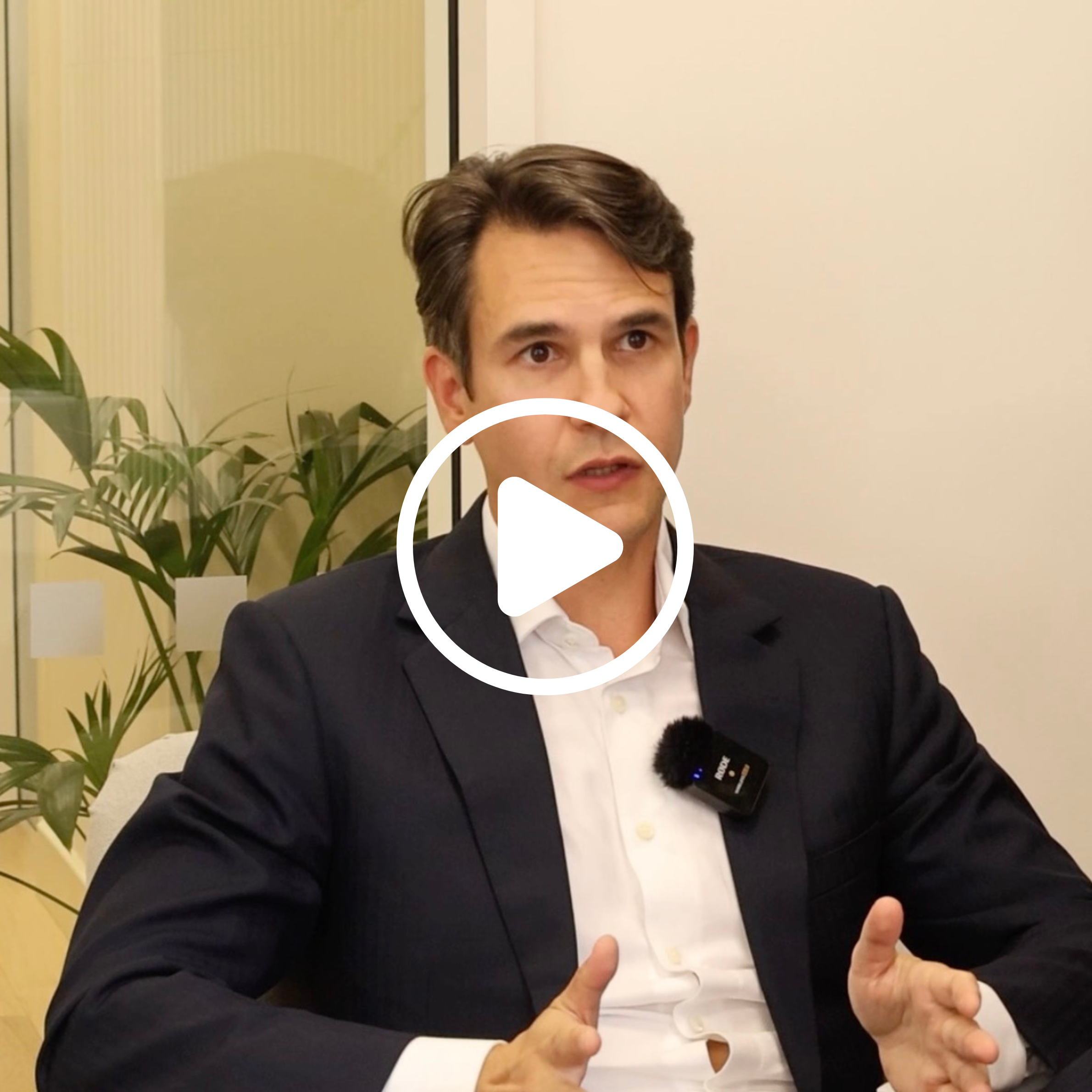
Duff & Phelps managing director Jeff Gordon (pictured) says: ‘The issue isn’t necessarily whether the investment banker can provide an unbiased opinion. Rather, engaging an independent fairness opinion provider, whose fee is not contingent on the transaction, can be viewed as a superior corporate governance practice…it removes the appearance of a conflict of interest from the discussion.’