Over the last two years the UK has the highest percentage of distressed companies in Europe, according to research by Close Brothers Corporate Finance.
Over the last two years the UK has the highest percentage of distressed companies in Europe, according to research by Close Brothers Corporate Finance.
The analysis reveals that the UK consistently has more distressed companies than anywhere else in Europe, accounting for a quarter of all distressed assets as at 1 July 2009 (24 per cent), down from 30 per cent at the same time in 2008 and 19 per cent in 2007.
Germany stands in second place, although some way off, with 14 per cent of distressed companies in 2009, followed by Italy, which has consistently ranked in the top three troubled countries for distressed companies for the past three years.
Against this, the CBCF analysis also shows that between January 2000 and 1 July 2009, the UK accounted for 34 per cent of all leveraged buyouts; followed by France with 14 per cent; and Germany with 12 per cent. Italy only accounted for seven per cent of all European LBOs.
Given the increasing number of LBOs with significant levels of leverage from 2005 to 2007, and the UK’s share of the LBO market, it is no surprise that the UK has the highest share of distress, says CBCF.
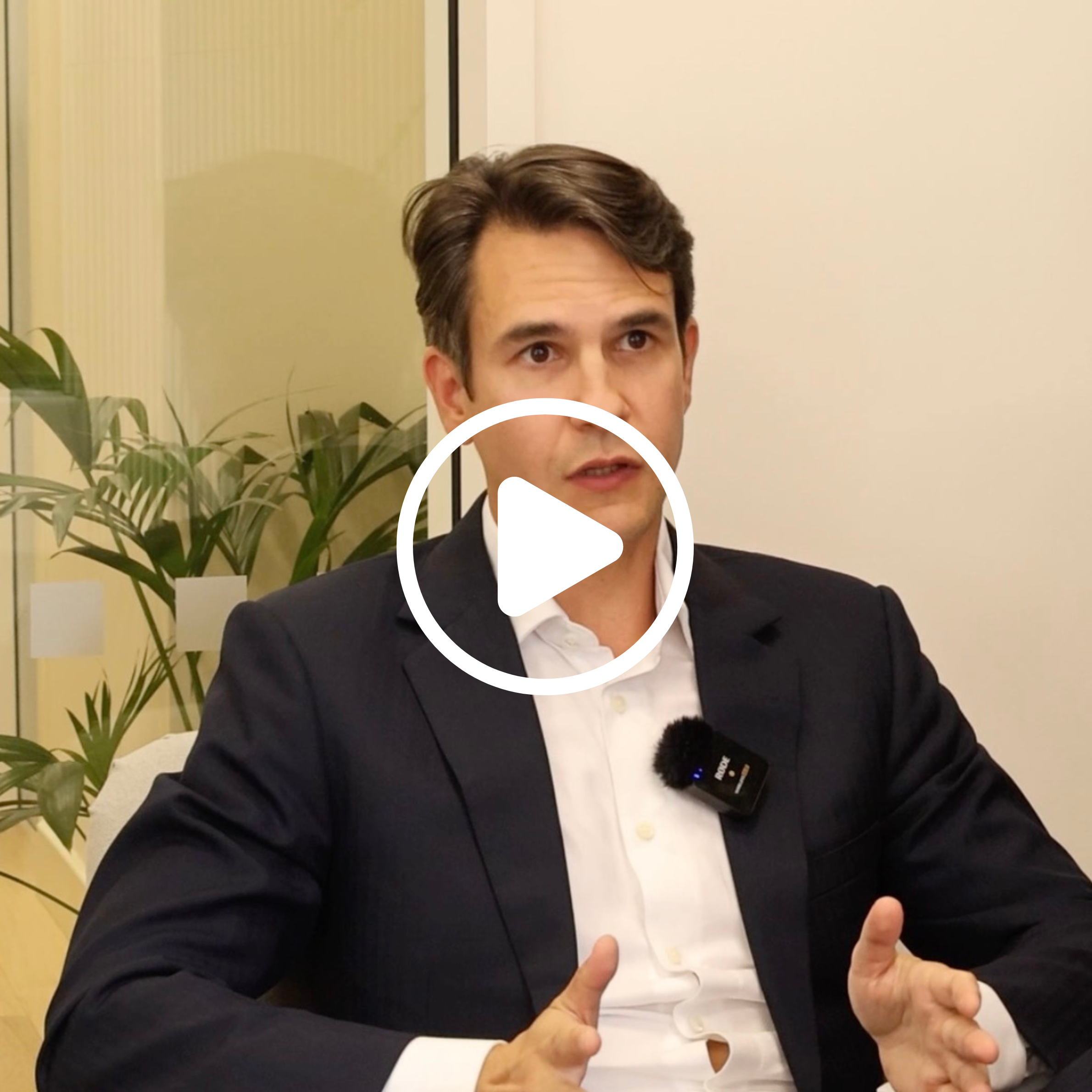
Andrew Cunningham, managing director at Close Brothers Corporate Finance, says: ‘It comes as little surprise that the UK has the highest portion of troubled businesses given the greater leverage taken on during the bubble years of private equity. Many of the businesses’ operations are multi-jurisdictional and therefore have been impacted by the global slowdown but the centre of gravity of any restructuring remains in the UK due to the profile of the creditors.’
The European manufacturing sector has been impacted significantly more than any other sector over the last three years, according to CBCF. In July 2009 41 per cent of distressed companies in Europe were manufacturing based; 39 per cent in 2008; and 49 per cent in 2007. However, the sector only accounts for 15 per cent of European gross domestic product.
The manufacturing sector faces many hurdles in managing its cost base in the face of rapidly declining earnings as typically a higher proportion of its cost base is fixed. In addition, in the short-term some variable costs are fixed in nature due to legislative requirements or long-term contracts. In particular, those companies with manufacturing sites in Western Europe face difficulties reducing the work force as in many jurisdictions this comes with a significant immediate cash cost these businesses cannot afford.
Companies are also exposed to significant fluctuations in commodity prices which are often difficult and expensive to manage. In addition many Tier 1 and 2 suppliers have expanded into multi-site, multi-jurisdictional businesses in order to base themselves close to their customers; although a successful strategy in growth markets, during depressed markets it makes the adjustment of a cost base very difficult.
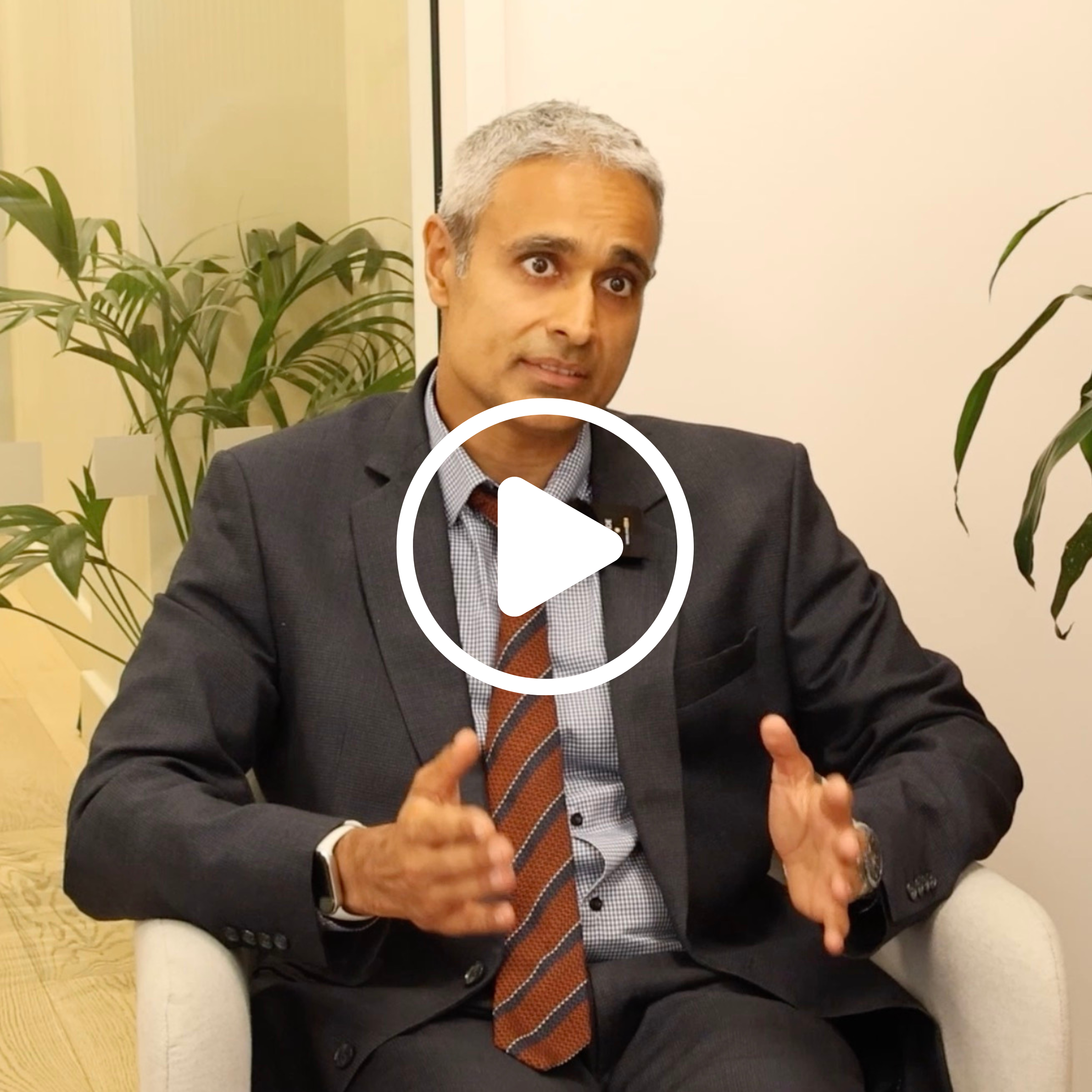
Cunningham says: ‘The manufacturing sector remains one of the largest employers across Europe, but it is facing the most serious issues, the long-term consequences of which will have significant detrimental effects for many years to come. The primary objective for many companies in the short term is survival. In the medium term there is likely to be a further wave of consolidation as visibility improves and bottom line growth is driven by cost rationalisation in the absence of top line improvement.’
Unsurprisingly the leisure and retail sector has also suffered, although only half as many companies in the sector faired as badly, with 19 per cent of companies in 2009 falling into the distressed category; 21 per cent in 2008; and 20 per cent in 2007.
The financial services sector has rapidly climbed the ladder of distressed assets, accounting for two per cent of distressed business in 2007; 15 per cent in 2008; and 14 per cent in 2009.