Efficient rail networks linking local producers and manufacturers to national markets — and national markets to regional export hubs — will be key to sustainable economic growth in Africa, a private equity leader told attendees at a conference in Rwanda.
Set amid promising economic fundamentals and increasingly influenced by sound government policies, Africa’s fast-growing populations and outstanding inter- and intra-continental export prospects will prove an economic boon for the continent in the decades ahead.
The catch, a private equity leader told delegates at the Africa Roads and Rail Infrastructure Summit in Kigali, Rwanda, is for business and policy makers alike to ensure critical infrastructure is in place to unlock the coming population and export dividends and channel them into sustainable growth.
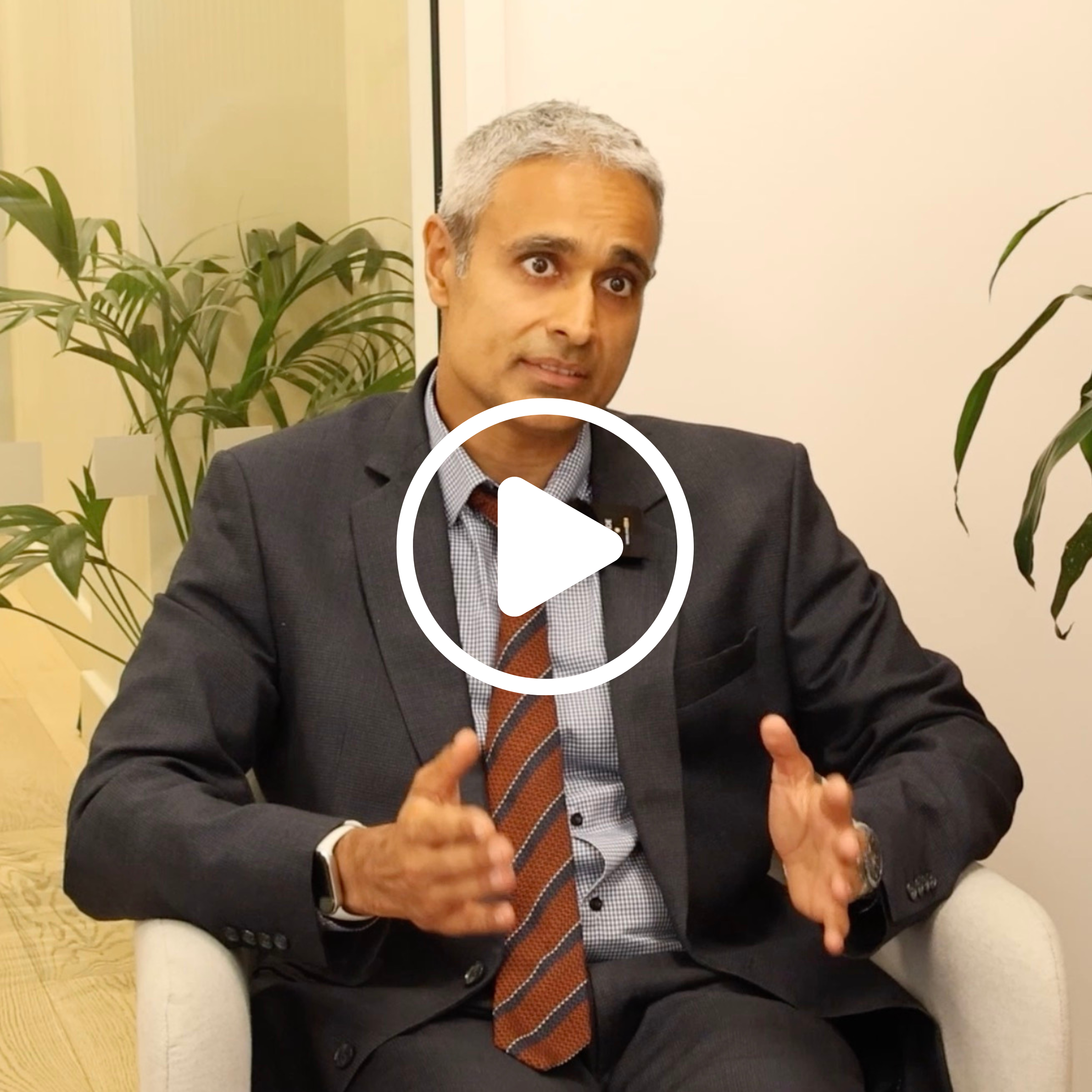
“In the last half-decade, Africa’s exports of goods and services have more than doubled to USD500bn and the total value of investment in the continent has at last surpassed the value of foreign aid,” said Karim Sadek, managing director of Citadel Capital, a private equity firm in Africa and the Middle East.
“Although Africa’s five years of growth above five per cent came to an end in 2009 as a result of the global financial crisis and the cooling of the global commodities boom, Africa nonetheless led the world in growth last year. That speaks very favourably of our continent’s compelling macroeconomic fundamentals, which are supported by strong long-term export outlooks and a resilient, fast-growing and under-leveraged domestic consumer base.”
The key to unlocking this export and population dividend, which will see Africa’s population double by 2050, is investment: more than USD11bn a year for agriculture, more than USD40bn a year in power and energy distribution, and untold billions more in the infrastructure that will link local producers with national markets and national markets with regional export hubs.
“The cost of the continent’s lack of investment in infrastructure is stark: fragmented road and rail infrastructure means moving goods from Lubumbashi to Durban — separated by just 2,000 kilometres — takes eight days to complete by rail and 38 days by road. It costs as much to ship a container from Chinese ports in the Pacific Ocean across the Indian Ocean and to the port at Mombasa as it does to move the same container from the Kenyan coast to neighbouring Uganda’s capital, Kampala,” Sadek said.
“On a continent with 15 landlocked countries dominated by a number of smaller, often overlapping regional trading blocs, investment in infrastructure is a fundamental growth driver: High continental shipping costs are a primary reason that trade between African nations remains critically low. Intra-regional trade, trade within a region, has proved key to developing robust economies in comparable regions, such as emerging Asia. Investing in the infrastructure networks to facilitate this trade is a first step toward broader economies of scale, larger domestic markets and lower consumer costs.”
The challenge, particularly in East African markets now pushing for regional economic integration, is to get the rail system up to speed, said Sadek, whose firm recently acquired 51 per cent of Rift Valley Railways, which holds a concession to operate the national railway of Kenya and Uganda.