New fund launches are a vital part of Guernsey’s private equity industry, so industry participants have welcomed the return of fund launches and fundraising in the second half of this year.
However, launch activity in Guernsey has been held back to some extent by delays to the proposed AIFM directive. The structures that are proceeding appear to be driven by highly selective investors, who are demanding predominantly niche strategies that should outperform even in choppy markets and unpromising economic environments.
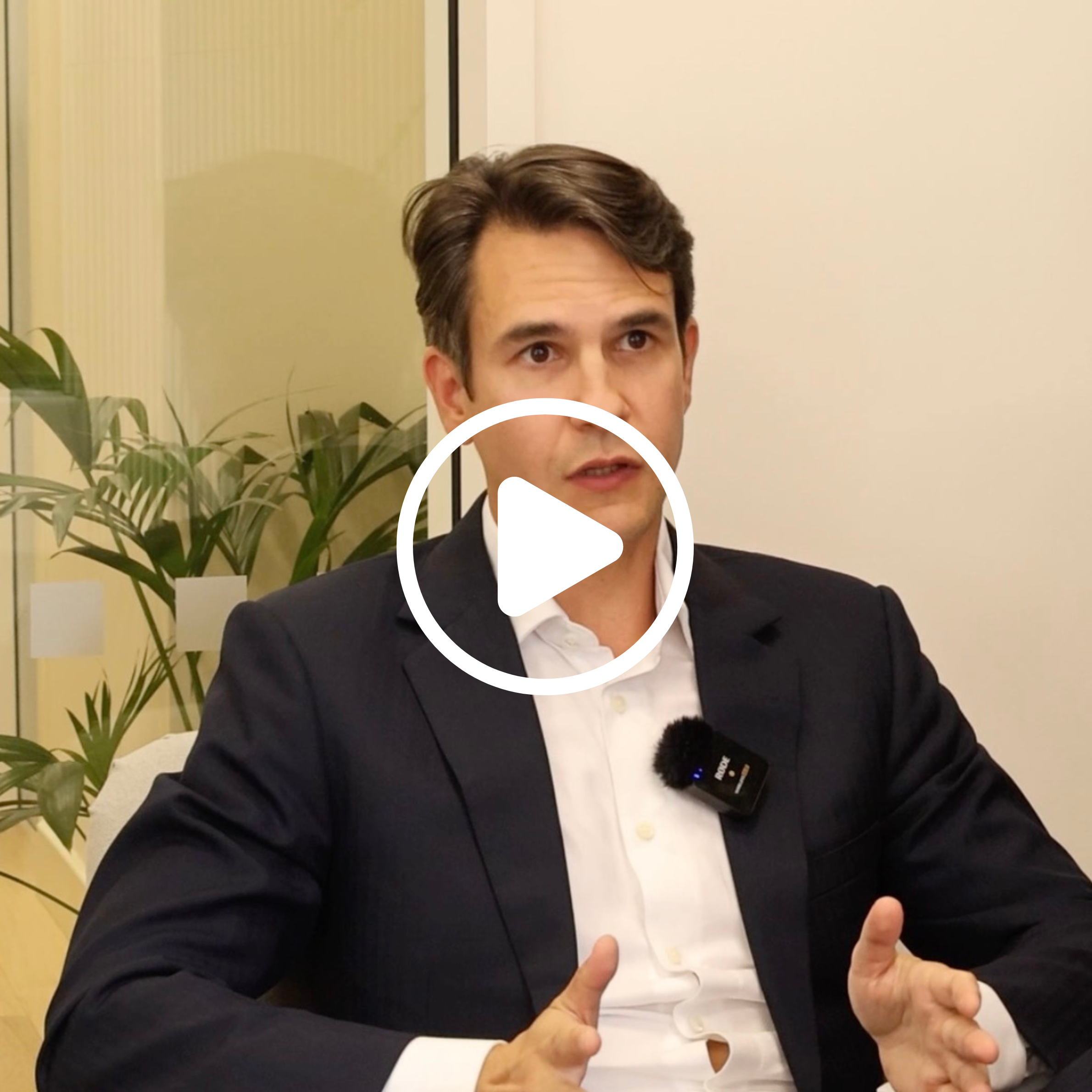
Paul Wilkes (pictured), a senior associate at Collas Day, a Guernsey-based law firm, says: “Fund launches are starting to come back after a slow period. But whereas three years ago most asset management firms could launch funds without too much of a problem, today investors expect a track record in the particular asset class that a fund is to focus on. There is a lot of talk about the popularity of distressed debt funds, but, based on our experience, they are unlikely to succeed unless there is proven expertise within the firm.”
For those funds that do attract investor interest, the standard and remit of the documentation has risen substantially from the pre-crisis era. “There are a lot more questions being asked about the documents now by both potential investors and directors,” says Wilkes.
One aspect of launching new funds that appears to have changed little, however, is the carried interest, which has stayed steady at around 20% despite widespread anticipation of a change in both the absolute level and the way it is structured. Wilkes says: “There has been some movement towards holding carried interest in an escrow account and towards clawback provisions, but the pattern is not nearly as clear as some people had predicted. The trend has yet to be established.”
Activity in the private equity environment is not restricted to new fund launches. “We have been working with clients where the existing fund has defaulted and loans need to be restructured,” says Wilkes. “In these cases, the banks and the funds tend to decide to work together because restructuring is a more beneficial option to both parties than the banks simply seizing the assets.”
Where fund performance has been poor, investors have sometimes looked to redeem the investment. However, increased regulatory issues have made this process more complicated. Wilkes says: “The regulator has certainly been very active in recent times. It clearly wants to demonstrate that it has teeth and make sure that the clients of funds registered in Guernsey are offered adequate protection. This is right, but it provides an extra element of complexity for fund promoters and directors, and their clients.”
Of course, changes in the market’s structure do not always create increased difficulties for funds and investors. The introduction of the Protected Cell Company regime six years ago was widely acclaimed for its innovation. “The PCC was first introduced in Guernsey to offer speed and economies of scale for insurance businesses and was later extended to funds, and it has been widely replicated across the offshore space,” says Wilkes. It is hoped that the latest innovation – the proposed creation of Guernsey limited partnership protected cell structures – will be equally successful.
Click here to download the Private Equity Wire – Guernsey Private Equity 2010 Special Report