Azalea, the private equity platform owned indirectly by Singapore state investor Temasek via Seviora Holdings, is preparing to introduce an evergreen-style private equity fund as early as this year, subject to market conditions, according to a report by Reuters.
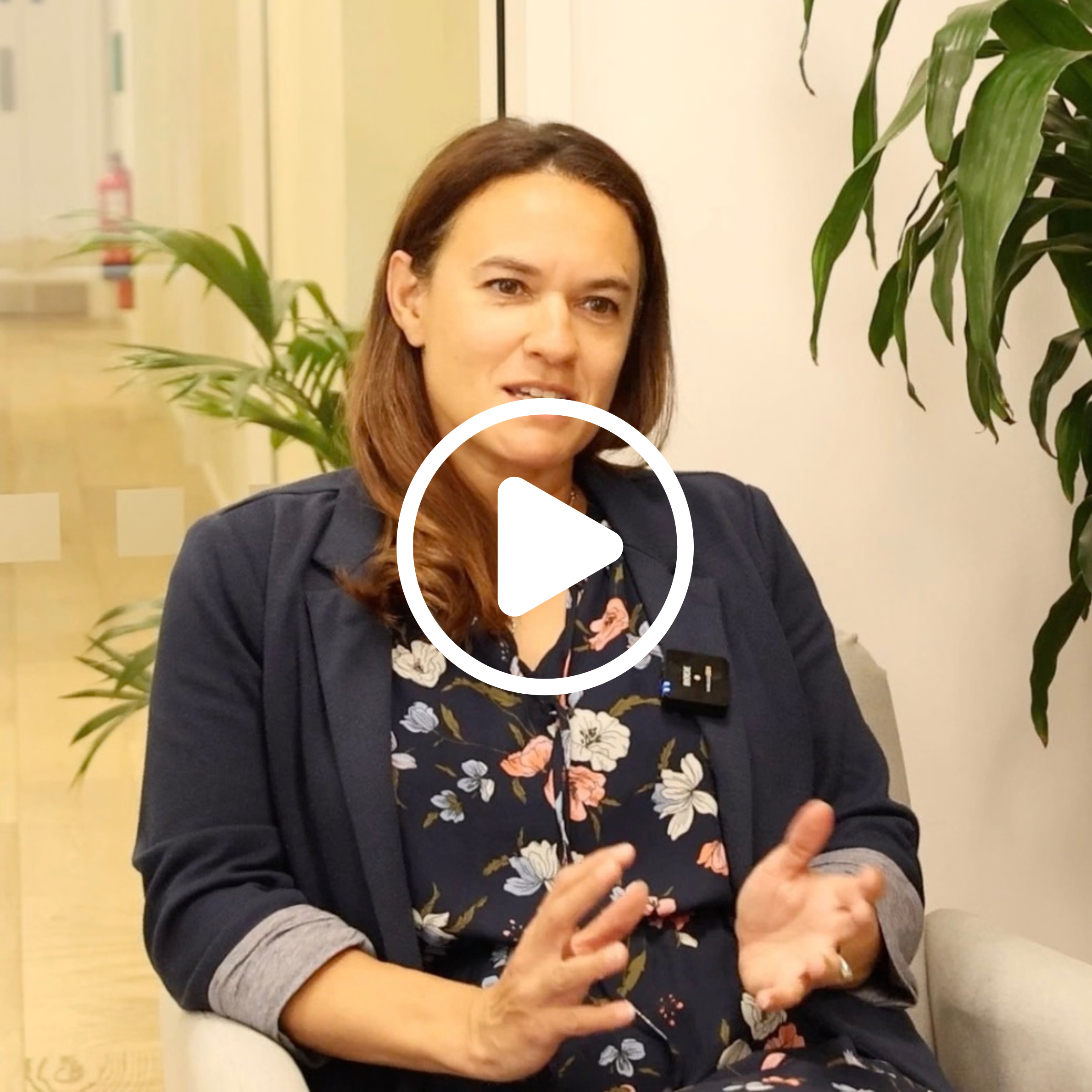
The report cites Chief Executive and Chief Investment Officer Chue En Yaw as saying that the initiative aligns with Azalea’s broader objective of expanding access to private equity investments beyond traditional institutional circles. Evergreen structures, unlike conventional closed-end private equity funds, operate without a fixed maturity date and allow ongoing subscriptions and redemptions under defined terms.
Currently, Singapore’s regulatory framework limits participation in private market assets to institutional and accredited investors that meet specific income, net worth, or asset criteria. Azalea itself was established in 2015 with the aim of democratising access to private equity strategies.
Chue noted that the firm is positioning the product in anticipation of potential regulatory developments that could gradually broaden retail participation in long-horizon private market funds. He emphasised that any meaningful retail access would depend on the evolution and implementation of forthcoming rules.
The Monetary Authority of Singapore (MAS) proposed in March 2025 a new long-term investment fund regime that could, over time, open selected private market strategies to retail investors. However, the framework has yet to be finalised and no launch timeline has been confirmed.
From an investment standpoint, Chue highlighted secondary private equity transactions as a core building block for evergreen structures, given their relatively strong cash generation profile. He also pointed to co-investments and other strategies with shorter holding periods as potential contributors to capital appreciation within the same vehicle.
He added that product design could incorporate multiple share classes, including accumulation-style units for investors seeking compounding returns and distribution-focused options for those requiring periodic income, allowing flexibility across investor profiles and life stages.
Chue also suggested that periods of heightened geopolitical and macroeconomic uncertainty could enhance deal opportunities in the secondary market, as some investors may be motivated to sell positions to raise liquidity. Such dislocations, he noted, can allow buyers to access higher-quality assets at more attractive valuations.