Blackstone Inc is committing as much as $1.3bn in structured financing to Apogee Therapeutics Inc, supporting the biotech’s efforts to advance a potential rival to the widely used eczema treatment Dupixent, according to a report by Bloomberg.
The funding package includes up to $800m in direct capital alongside as much as $500m in debt financing, with Blackstone receiving royalty-linked returns tied to future product sales, according to the companies.
The agreement is aimed at accelerating development of Apogee’s lead candidate, zumilokibart, which is being evaluated as a treatment for atopic dermatitis, a chronic inflammatory skin condition characterised by severe itching and irritation.
Apogee said the drug met its primary endpoint in a mid-stage clinical study involving 346 adult patients, with roughly two-thirds of those receiving a mid-range dose achieving at least a 75% improvement in skin lesions after 16 weeks, compared with placebo.
Investor attention around the programme has been building, with some analysts suggesting optimism may already be reflected in the share price. Following the announcement, Apogee stock initially swung in premarket trading before opening slightly higher in New York.
The drug is being positioned as a next-generation competitor to Dupixent, marketed by Regeneron Pharmaceuticals Inc in partnership with Sanofi SA. According to Apogee, zumilokibart targets a different biological pathway and has a longer duration of activity, potentially enabling less frequent dosing.
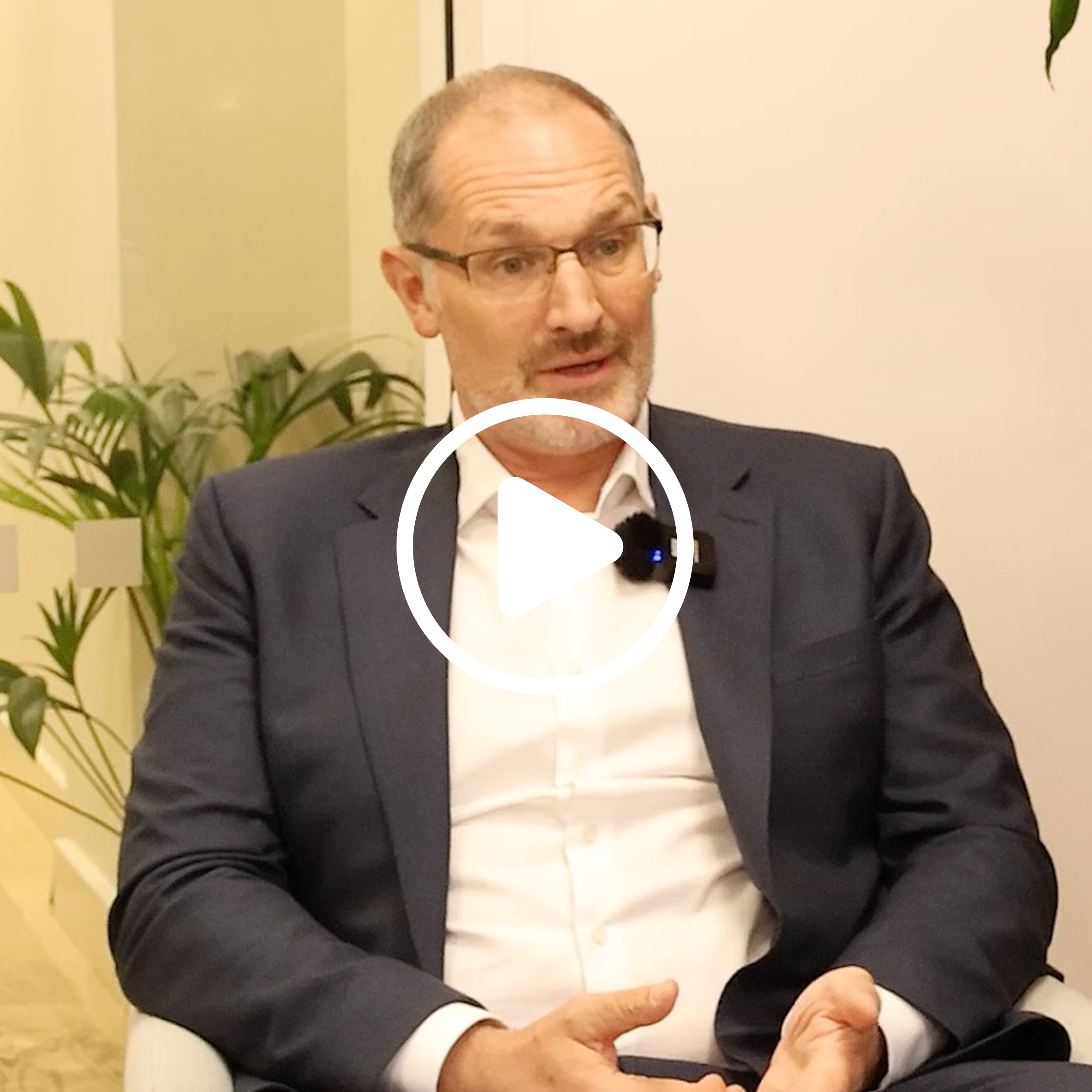
Apogee CEO Michael Henderson said the updated profile could improve convenience for patients, while the company also highlighted earlier-stage data showing durable responses with extended dosing intervals.
Analysts at TD Cowen described the mid-stage results as potentially “setting a new bar” in atopic dermatitis treatment, while RBC Capital Markets noted that expectations for the asset may already be well reflected in valuations.
The company plans to initiate late-stage clinical trials later this year, subject to regulatory feedback, with a potential approval timeline around 2029. The programme is also being expanded into additional indications, including asthma.
Blackstone Inc, through its life sciences platform, typically invests in late-stage drug development in exchange for royalty-based returns rather than traditional equity stakes.
The firm’s life sciences arm, Blackstone Life Sciences, oversees roughly $17bn in assets and focuses on funding clinical-stage programmes with near-term commercial potential. Earlier this year, the unit closed a $6.3bn fund, its largest to date dedicated to supporting drug development and healthcare innovation.