Two publicly traded private credit vehicles managed by Blue Owl Capital have reduced their quarterly dividends after reporting lower net asset values in the first quarter, citing pressure from rising borrowing costs and a tougher earnings environment, according to a report by Reuters.
Blue Owl Capital Corp lowered its dividend to $0.31 per share from $0.36, while Blue Owl Technology Finance Corp reduced its regular payout to $0.35 per share from $0.40. The technology-focused fund also maintained a $0.05 per share special dividend.
The two funds collectively repurchased $85m of stock during the quarter as management sought to support shareholder value.
Blue Owl Capital Corp reported a 2.7% decline in net asset value per share to $14.41, while Blue Owl Technology Finance Corp posted a 4.8% drop to $16.49 per share.
The funds have come under pressure alongside the broader private credit sector as investors weigh the impact of tighter spreads, lower base rates and concerns around portfolio performance. Blue Owl Capital Corp also faced scrutiny last year over plans to merge a smaller non-traded fund into the vehicle.
Blue Owl Technology Finance Corp has significant exposure to software borrowers, a segment that has faced heightened uncertainty linked to artificial intelligence disruption. Software investments accounted for 33% of its portfolio at the end of the first quarter, while software-related holdings represented 16% of Blue Owl Capital Corp’s portfolio.
Earlier this year, Blue Owl sold a $1.4bn portfolio of senior secured loans from Blue Owl Capital Corp II to strengthen liquidity following elevated redemption requests.
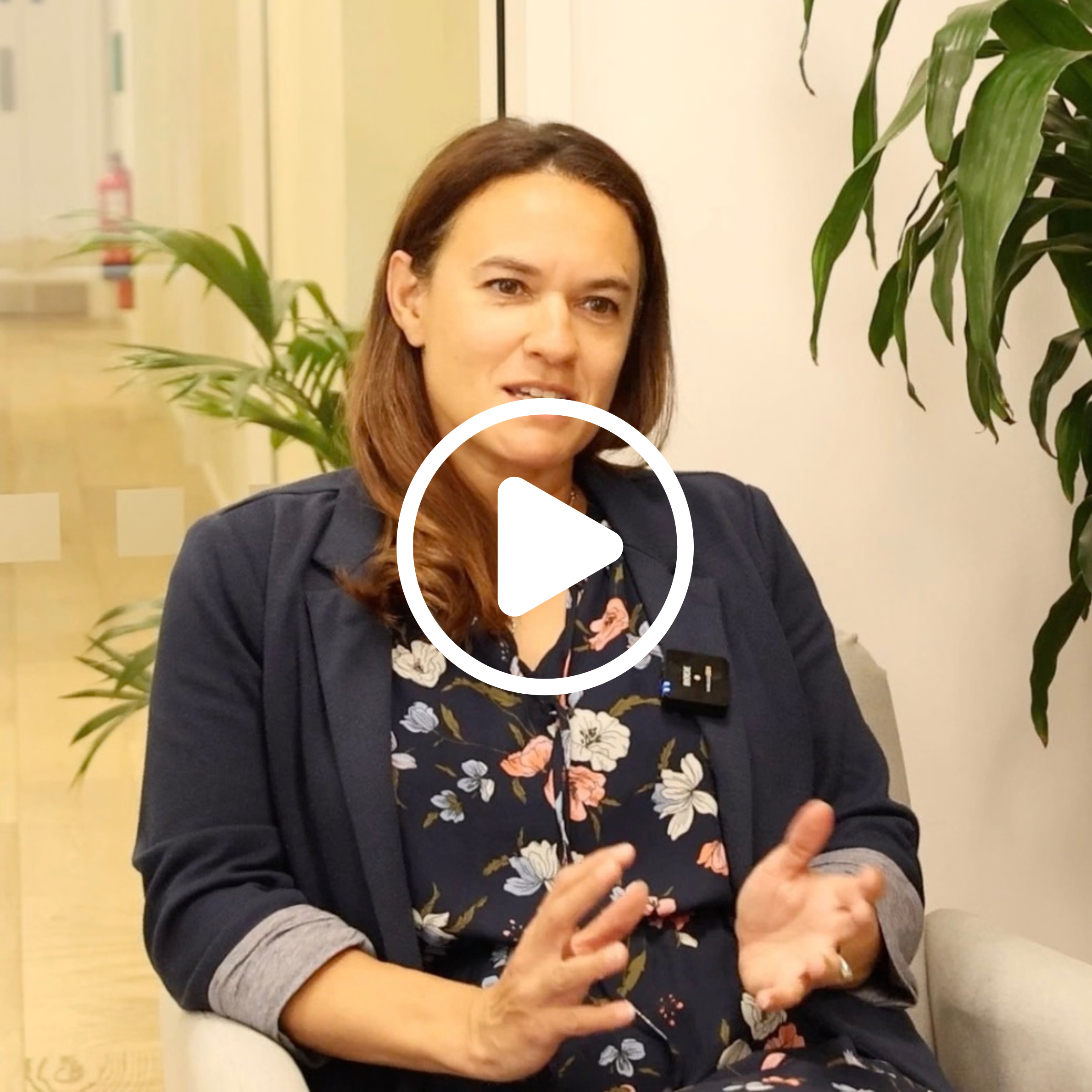
Craig Packer, chief executive of the funds, said the quarter reflected a more challenging earnings backdrop, although he noted that portfolio performance remained resilient and balance sheets remained strong.
The filings also indicated a modest improvement in non-accrual rates, suggesting fewer investments were missing repayments or deemed unlikely to be repaid.