Private equity firms are increasingly targeting corporate carve-outs as they look for new investment opportunities and ways to generate returns in a market still constrained by higher interest rates, elevated valuations and geopolitical uncertainty, according to law firm White & Case.
Sponsors are showing greater interest in non-core or underperforming divisions being sold by large companies, where they see more scope to create value than in highly competitive sponsor-to-sponsor transactions.
Carve-outs can give private equity buyers access to businesses with solid underlying operations that no longer fit within a corporate parent’s strategic priorities. Sponsors can then seek to improve performance, invest in growth and establish the division as a standalone company.
European corporates have increasingly been selling individual businesses as they reassess their portfolios amid changing market conditions and pressure from activist investors to improve capital allocation.
In the first quarter of 2026, corporate carve-outs accounted for 90 private equity transactions across Europe, representing 7% of total deal volume and 13% of deal value, according to data cited by White & Case.
The trend comes as private equity firms face a difficult balancing act: deploying substantial pools of committed capital while also returning cash to limited partners at a time when conventional exits remain challenging.
The valuation gap between buyers and sellers is also prompting sponsors and corporates to explore more sophisticated transaction structures.
Earn-outs are becoming increasingly common as buyers and sellers seek to bridge differences over the future value of a business. Such arrangements can defer part of the purchase price and link payments to the company’s subsequent performance, helping both sides manage uncertainty around forecasts and valuations.
Sponsors are also considering a broader range of capital structures, combining ordinary equity, preferred equity and debt. These instruments can be tailored to provide different degrees of downside protection while allowing investors to participate in future value creation.
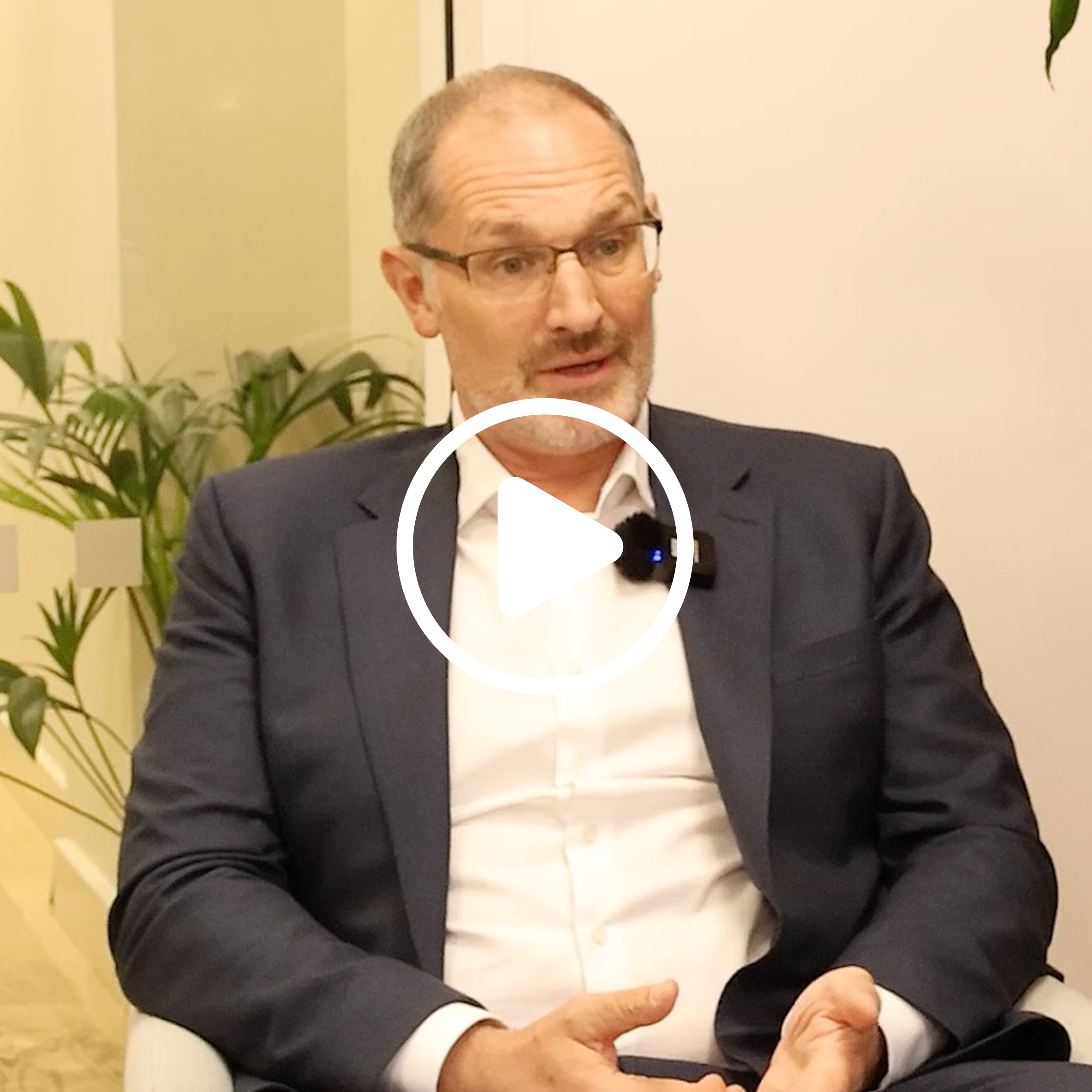
Ben von Maur, a partner in White & Case’s Global Private Capital Industry Group, said sponsors were being forced to become more creative both in identifying investments and in determining how to generate value after acquisition.
He described corporate carve-outs as potentially attractive for both sides of the transaction, giving private equity firms access to businesses that may not have previously been owned by sponsors while allowing corporate sellers to concentrate on their core operations.
The opportunity could become particularly relevant as public companies respond to successive waves of disruption, including the impact of artificial intelligence, and reassess which businesses remain strategically important.
Tony Brown, also a partner in White & Case’s Global Private Capital Industry Group, said a substantial backlog of assets still needs to come to market, but added that private equity is becoming more selective.
Sponsors are increasingly required to demonstrate a clear path to value creation rather than relying on broad market appreciation or leverage to drive returns.
The shift towards carve-outs and more bespoke deal structures suggests private equity firms are adapting their strategies to a market where deploying capital and delivering liquidity to investors both require greater creativity and discipline.