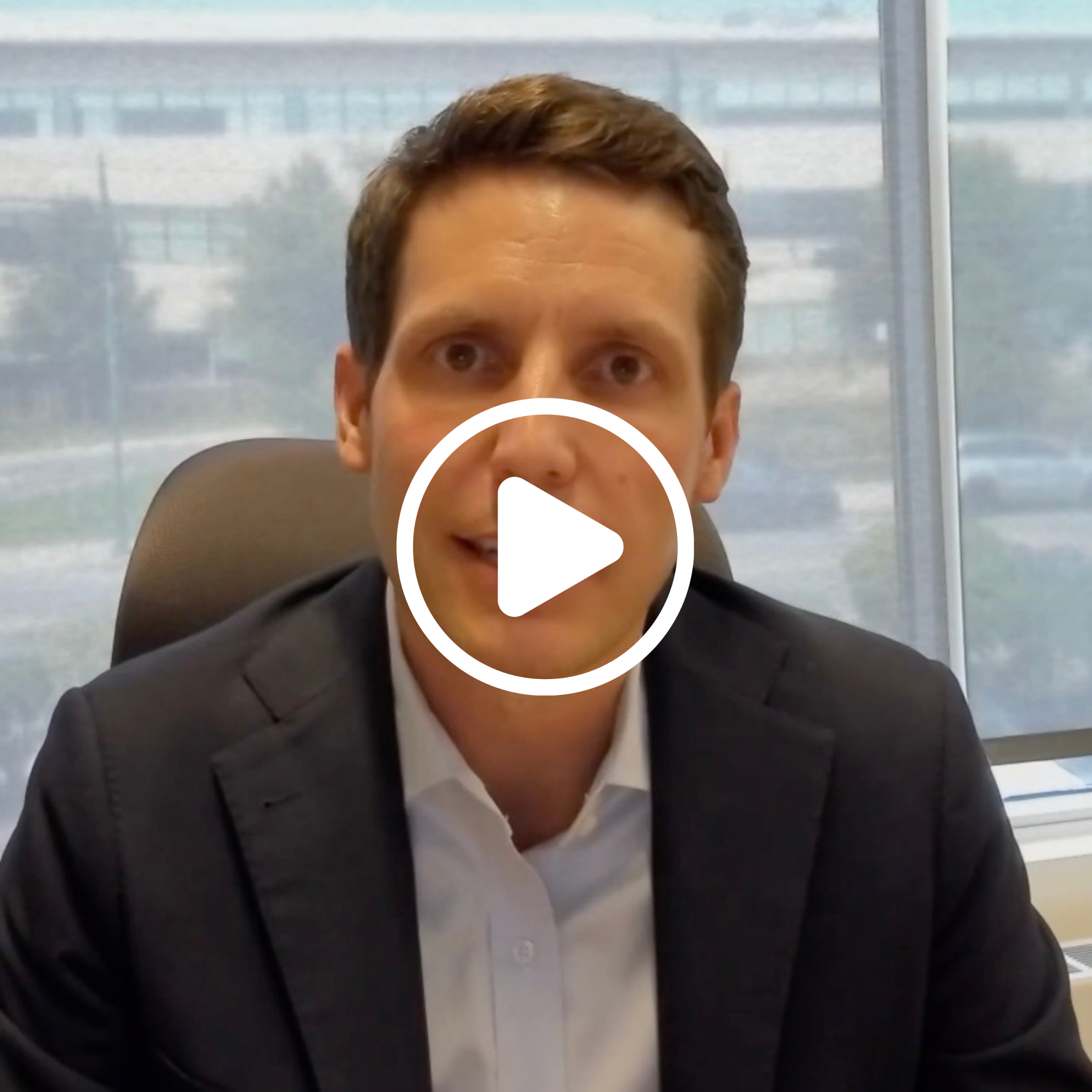
Bain Capital has appointed David Gross as its sole managing partner, completing a long-planned leadership transition at the $215bn private capital group, according to a report by the Financial Times citing a letter sent to investors this week.
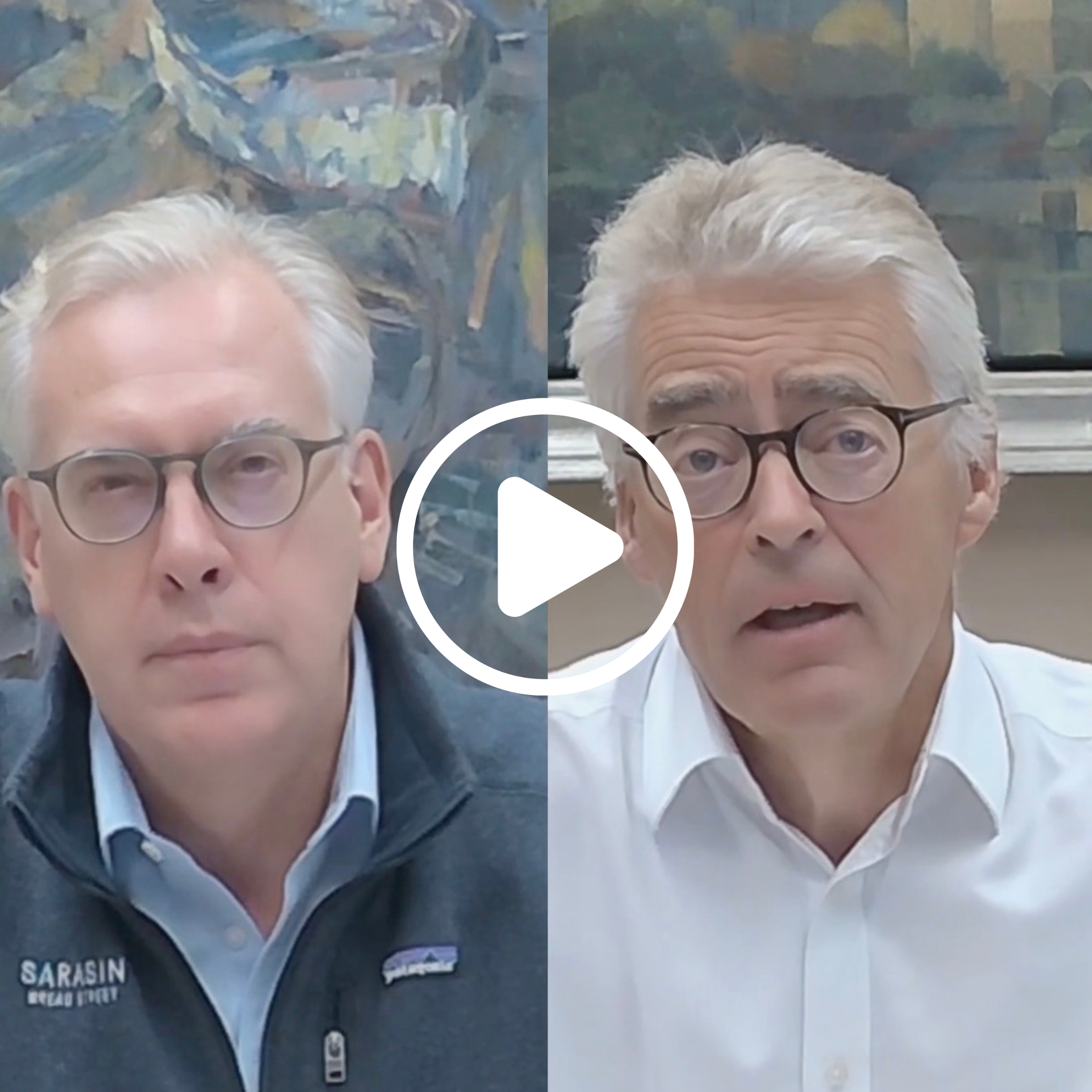
Gross, who was named co-managing partner in 2024, will assume sole responsibility for leading the firm’s global partnership. As part of the transition, John Connaughton, who has served as co-managing partner since 2016, will move into the role of chair.
A long-time Bain Capital dealmaker, Gross has been widely viewed as the natural successor within the firm. He previously built and led Bain Capital’s Asian investment platform, including the establishment of its Tokyo office in 2006, and has played a central role in several of the firm’s most significant transactions. These include the $18bn acquisition of semiconductor business Kioxia from Toshiba, which has since reached a valuation of close to $60bn in public markets.
Gross relocated to Boston in 2024 following the departure of Jonathan Lavine, who had been instrumental in developing Bain Capital’s credit investment business. Lavine, who has served as co-chair since 2024, will step back from that role and become a strategic adviser as he focuses on philanthropic initiatives.
Bain Capital was founded in the mid-1980s by Mitt Romney and former Bain & Co consultants. Following Romney’s departure in the late 1990s, the firm was run by a group of partners before Lavine and Connaughton were appointed co-managing partners in 2016. During their tenure, Bain consolidated its various investment businesses under a single brand and significantly broadened its platform.
Under Gross’s leadership, Bain Capital is expected to continue expanding globally and diversifying its investment activities. The firm is also expected to increase investment in internal technology, including artificial intelligence tools, to support its investment and operational processes.
Unlike many of its private equity peers, Bain Capital has remained a privately held partnership, even as it has expanded beyond traditional buyouts into areas such as real estate, credit, life sciences, venture capital and distressed investing.