Brookfield Asset Management is placing a multibillion-dollar wager on the Middle East, emerging as one of the region’s most active foreign private equity investors amid a global slowdown in dealmaking, according to a report by Bloomberg.
The Canadian alternative asset manager has built an $8bn private equity portfolio in the Gulf, complemented by $5bn in real estate and infrastructure assets. Now, it’s preparing to raise at least $2bn for what would be the largest Middle East-focused private equity fund to date — a signal of growing institutional confidence in the region’s long-term potential.
Brookfield’s expansion comes as geopolitical uncertainty and persistent high interest rates continue to weigh on global M&A markets. The latest wave of market turmoil, spurred by former US President Donald Trump’s tariff threats, has further dimmed prospects for a near-term recovery in US deal activity. In contrast, the Gulf is offering increasingly attractive opportunities as government-led diversification strategies drive growth and open the door for private capital.
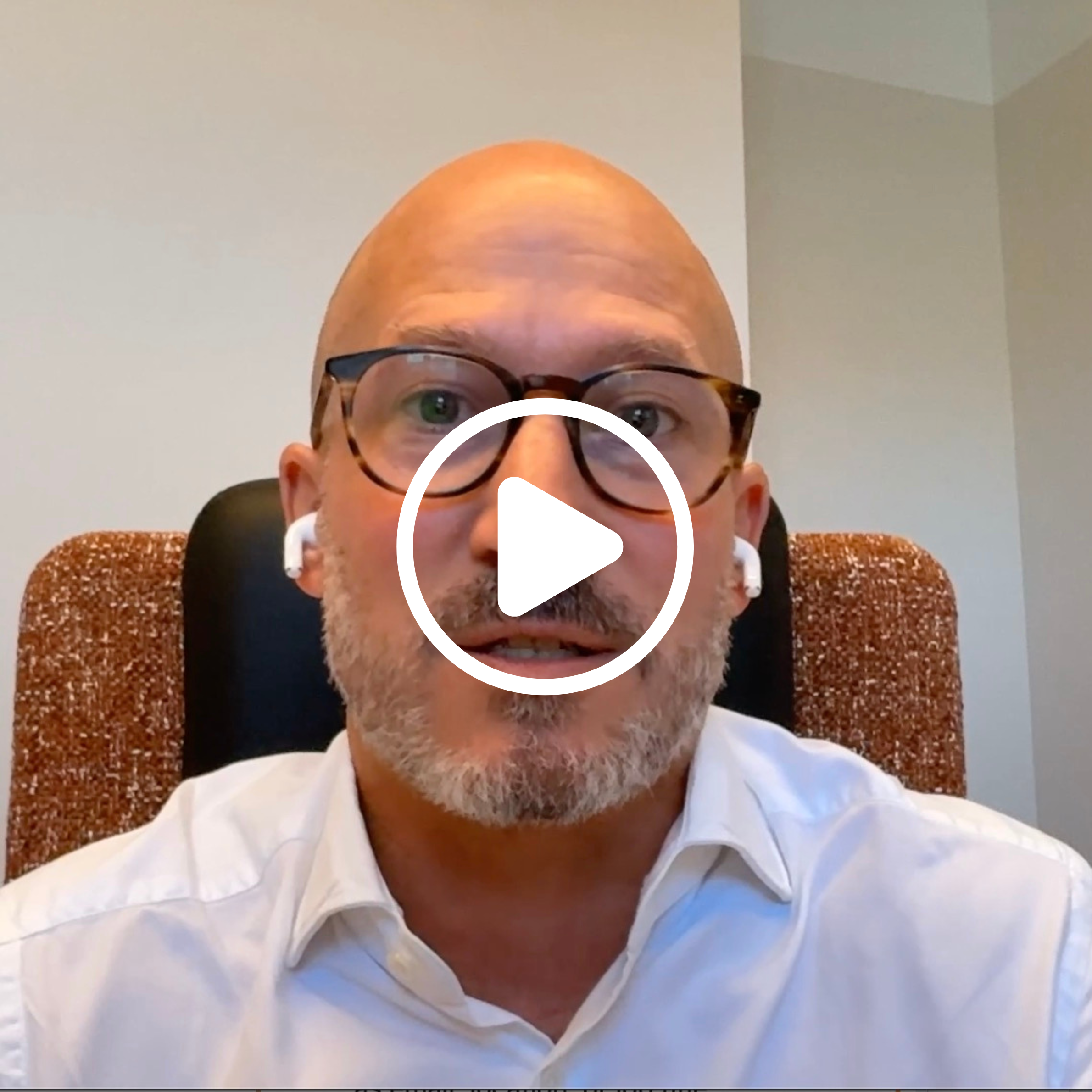
“The Middle East means emerging market returns with developed market risk,” said Jad Ellawn, Head of Middle East at Brookfield, in a recent interview. “That is the attraction. You don’t find that anywhere else.”
The region is no stranger to volatility. Just a few years ago, investor confidence was rocked by the collapse of Abraaj Group, once the Gulf’s leading private equity firm. A previous wave of global PE interest in the Middle East — including efforts by Carlyle Group and others — was similarly challenged by falling oil prices and currency swings.
But the landscape is rapidly evolving. According to Preqin, private equity deal volume in the Middle East has nearly tripled over the past decade, while assets under management have nearly doubled. The Gulf is no longer seen solely as a source of capital — it’s becoming a destination for it.
Bain & Company estimates M&A activity in the region reached $29bn in 2024, with PE firms increasingly participating in both growth equity and control deals. Governments across the region are also launching large-scale privatisation initiatives, offering fresh deal flow for PE investors.
Brookfield was among the first global firms to double down on the Gulf opportunity. CEO Bruce Flatt’s early outreach to regional sovereign wealth funds helped establish strong relationships, and by 2015, the firm had opened an office in Dubai. Today, Ellawn leads Brookfield’s operations on the ground, managing a growing portfolio and cultivating ties with key regional stakeholders — from Abu Dhabi’s Mubadala to asset manager Lunate.
That long-term commitment is starting to pay off.
Brookfield’s ICD Brookfield Place, a landmark commercial development in Dubai, reached near-full occupancy during the pandemic, becoming a hub for international banks, hedge funds, and law firms.
Meanwhile, Brookfield’s investment in GEMS Education, one of the region’s largest private school operators, reflects its strategy of targeting core sectors aligned with demographic and economic trends. Demand for premium education has surged alongside population growth, and GEMS is reportedly preparing to open one of the most expensive private schools globally, with annual fees of $56,000.
Brookfield is far from alone. KKR recently committed $5bn to expand a Gulf-based data centre business. CVC Capital Partners, Ardian, General Atlantic, and Warburg Pincus are all growing their presence in the region, while Permira is actively scouting for office space in Dubai. Local players such as Gulf Islamic Investments and Saudi Arabia’s Jadwa Investment are also stepping up activity.
“There’s been a clear shift,” said Huda Al Lawati, CEO of Aliph Capital, an Abu Dhabi-based mid-market PE firm. “Foreign firms aren’t just raising capital from the region anymore — they’re investing in it.”
That transformation aligns with broader government goals. Gulf states are encouraging foreign investors to treat the region as an attractive market in its own right, not just a source of sovereign capital. Recent legal and regulatory reforms, along with red-hot IPO markets, are helping create exit pathways for PE investors and improving corporate governance.
Despite the optimism, challenges remain. Oil prices recently dipped below $65 per barrel, raising concerns over reduced government spending, while private equity exits remain limited, with IPOs still rare and valuation gaps persisting between local sellers and international buyers. Geopolitical risks also continue to cast a shadow, as does competition from deep-pocketed sovereign investors who dominate the region’s capital markets.
Still, for early movers like Brookfield, the strategic foothold could prove invaluable. “We’ve proven that the ingredients for a successful private equity environment exist,” said Anuj Ranjan, Global Head of Private Equity at Brookfield. “And I do think our peers will show up.”