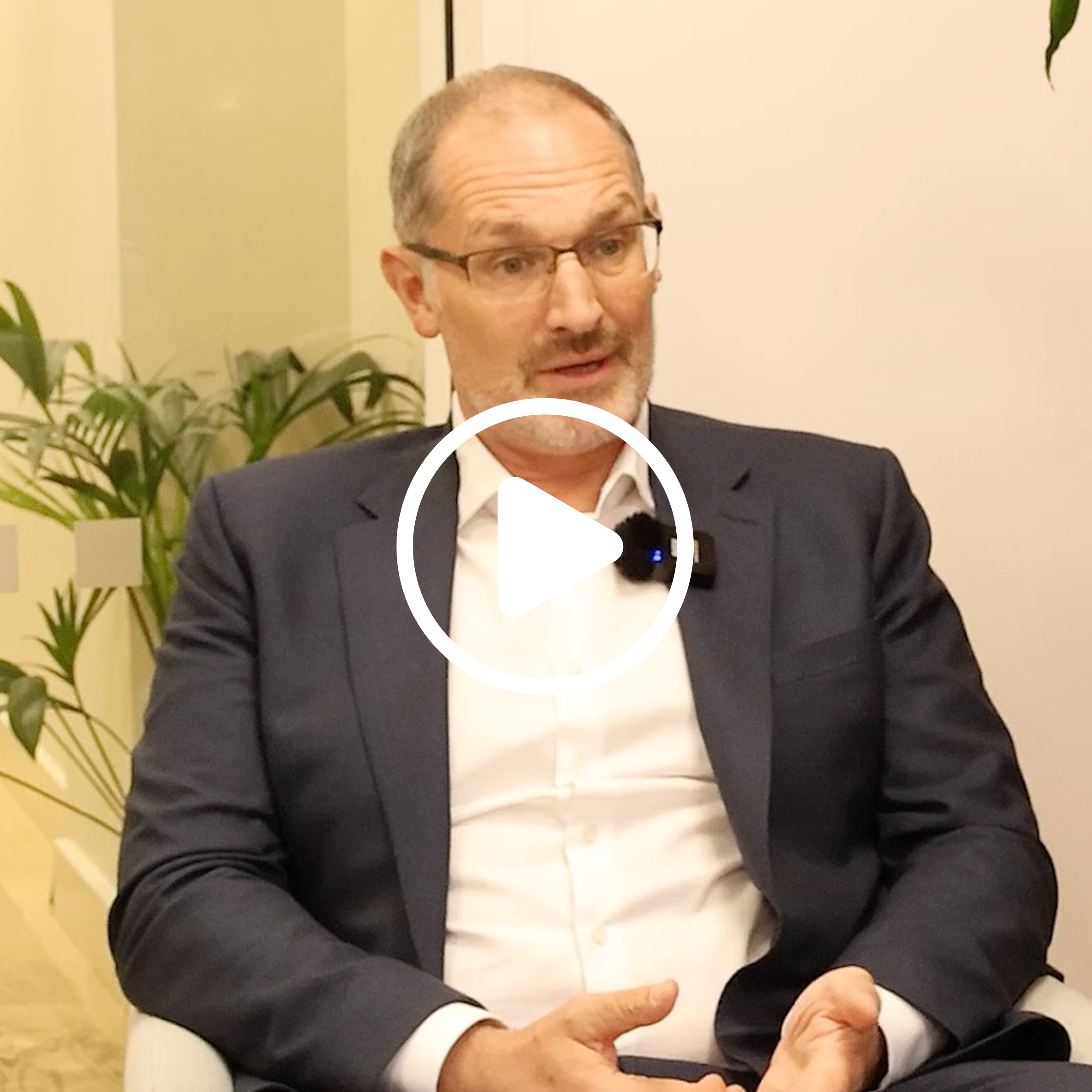
Software-focused private equity firm Thoma Bravo has entered into a multi-year strategic partnership with Google Cloud aimed at speeding up artificial intelligence adoption across its portfolio companies, which collectively exceed $300bn in value.
The collaboration will give portfolio businesses access to Google Cloud’s AI infrastructure, including its Gemini models and enterprise AI tools, with the goal of enhancing product development and operational efficiency.
As part of the arrangement, Google engineers will work directly with select portfolio companies to support implementation and address technical challenges. The agreement also enables participating companies to use Google Cloud’s marketplace and co-selling channels to expand distribution and access new customers.
Thoma Bravo said the initiative reflects a coordinated approach to AI deployment across its portfolio, rather than individual companies pursuing separate technology strategies. The firm expects the programme to run over several years and involve significant investment as it integrates AI capabilities across its holdings.
Founder and managing partner Orlando Bravo said the pace of technological change in artificial intelligence is forcing a rethink of how software businesses operate, with established industry practices being rapidly reshaped by new tools and efficiencies.
The partnership comes amid growing debate over the impact of AI on the software sector, particularly concerns that rapid advances could disrupt traditional business models and pressure midsize software providers to adapt quickly or risk losing competitiveness.
Google Cloud executives said the initiative is designed to help companies embed more advanced AI functionality into existing workflows and improve their ability to evolve alongside accelerating technological change.
The agreement also extends into cybersecurity applications, an area where Thoma Bravo has significant exposure through investments such as Proofpoint, SailPoint, Imprivata and Darktrace, which together generate roughly $8bn in annual revenue.
The partnership will support efforts to identify and address vulnerabilities in software systems, an area that has gained increased attention as AI tools become more widely deployed and potential security risks expand.
Thoma Bravo said cybersecurity demand is expected to rise alongside AI adoption, with increasing focus on protecting both traditional systems and emerging agent-based technologies.