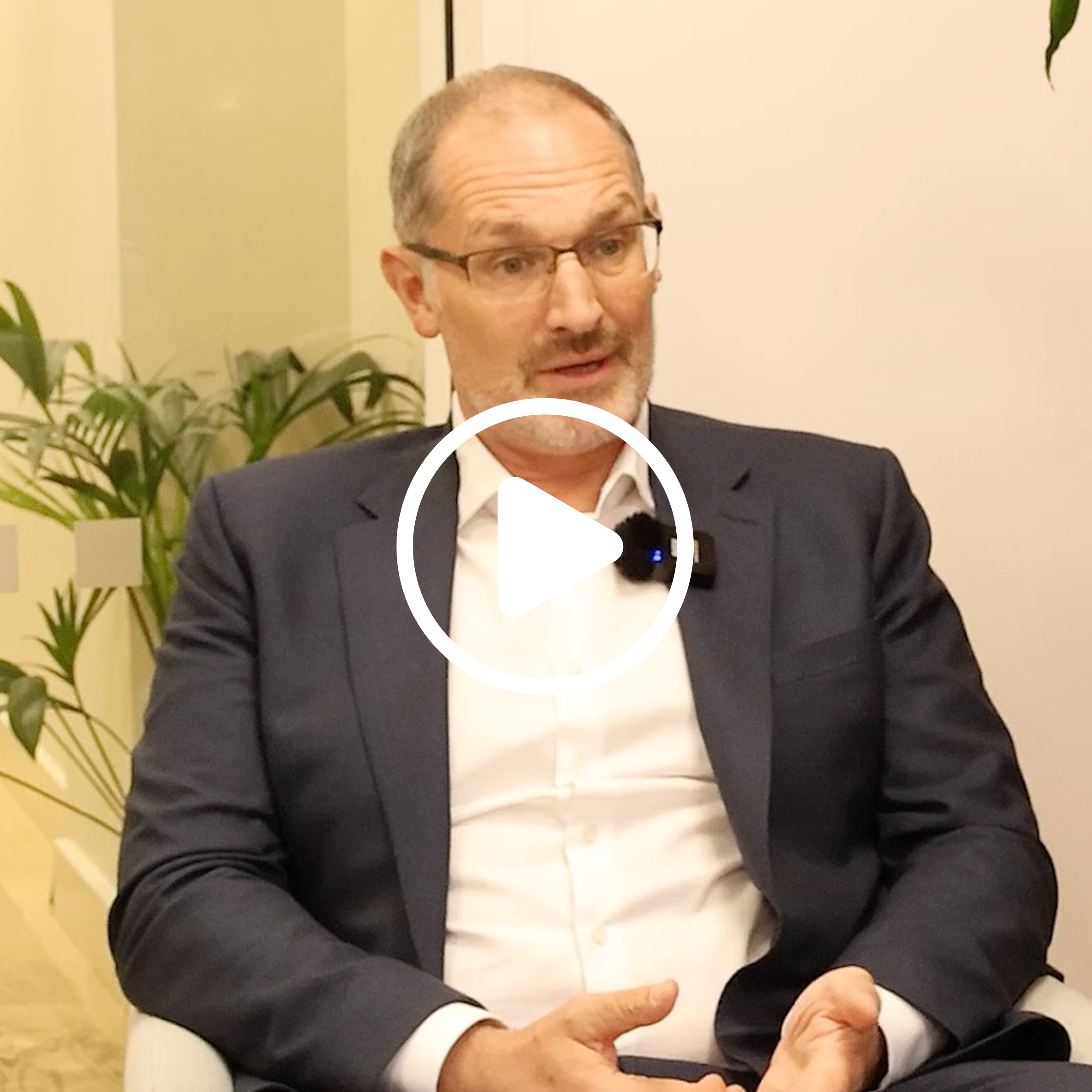
Marc Rowan, CEO at Apollo Global Management, one of the world’s largest private capital providers, foresees a growing convergence between public and private markets, with private capital increasingly attracting competition from Wall Street, according to a report by Bloomberg.
Speaking at the CAIS Alternative Investment Summit in Beverly Hills, Rowan emphasised that Apollo will maintain discipline as it continues to expand its assets under management. However, he noted that the firm’s biggest challenge will be identifying sufficient investment opportunities.
“As an industry, we will be constrained by our ability to find good investments rather than our capacity to raise money,” Rowan said this week.
Apollo currently manages $700bn in assets, with nearly $500bn tied to its credit businesses. Rowan has previously stated that Apollo plans to increase its annual private debt origination by almost 70% over the next five years.
Demand for private credit is expected to grow, with more avenues for liquidity emerging, allowing investors to trade in and out of deals. Last month, Apollo and State Street Corp filed documents to launch an exchange-traded fund (ETF) that will allocate a portion to private credit. As part of the initiative, Apollo will provide bids on investments it sources and build out a trading desk for investment-grade private credit loans.
“We will attract lots of competition,” Rowan said. “Once that happens, what’s the difference between public and private?”
Rowan also pushed back against the notion that private markets are inherently riskier, arguing that fixed-income investments need more liquidity. He pointed to the 2022 liability-driven investment crisis in the UK, where pension managers were forced to sell bonds to meet liquidity demands as yields surged.