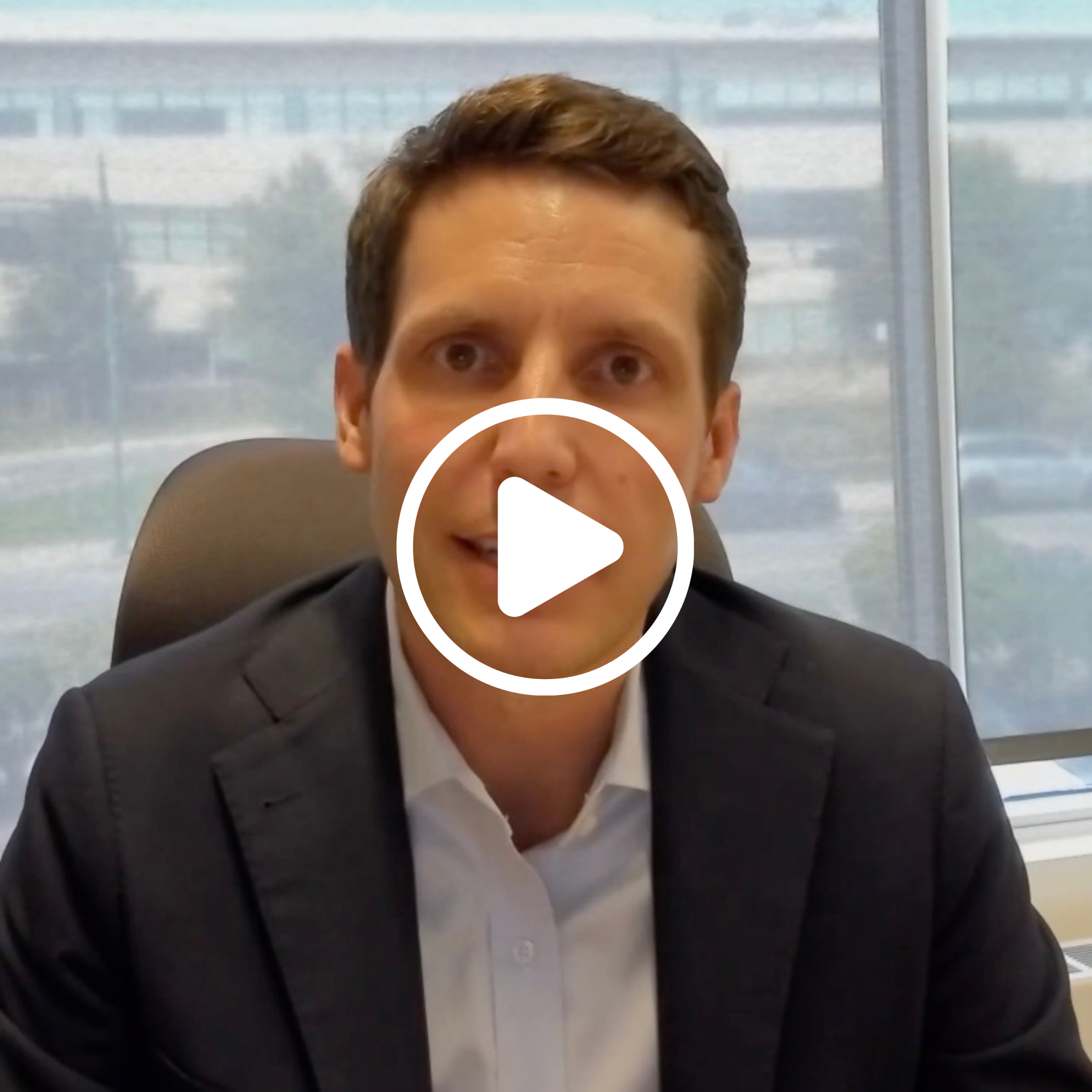
Private equity firms will need to accept lower valuations and adapt to a fundamentally different interest rate environment following years of distortion from ultra-low borrowing costs, according to a report by Bloomberg citing comments Apollo Global Management co-president Scott Kleinman.
In an interview with Bloomberg Television, Kleinman said the industry “lost its way a little bit” during the prolonged era of near-zero interest rates, when capital costs masked valuation risk and allowed aggressive pricing in dealmaking. He warned that, as financing conditions have normalised, many managers will be forced to adjust expectations on exit values or risk underperformance.
Speaking generally about the sector, Kleinman suggested that some private equity firms may need to scale back fundraising ambitions or exit the market entirely if past investment decisions continue to weigh on returns. In particular, he pointed to vintages raised between 2017 and 2022 as being under pressure due to high entry valuations and weaker-than-expected performance.
The remarks come as the industry continues to grapple with a substantial backlog of portfolio companies acquired during the low-rate boom. With exit markets still uneven, firms have struggled to realise investments at prices that meet internal return targets, contributing to a prolonged “hold” period across the sector.
Kleinman said the structural shift in rates has reshaped the private equity model, moving it away from a focus on multiple expansion and towards more disciplined asset selection and operational value creation. He noted that during the zero-interest-rate period, rising valuations often did much of the work in generating returns, reducing pressure on entry pricing discipline.
Despite ongoing challenges in exits, Kleinman said market conditions for new deployment remain broadly constructive, supported by economic resilience and more realistic pricing in certain segments. He also highlighted that well-positioned firms are still able to exit investments successfully, provided initial acquisition prices were disciplined.
He added that Apollo Global Management Inc itself has remained active on the realisation side, completing multiple IPOs and disposals over the past year, demonstrating that capital is available for quality assets even in a more selective exit environment.
Overall, Kleinman characterised the current phase as one of adjustment rather than crisis, with the industry gradually working through legacy investments while adapting to a higher-for-longer rate regime that is reshaping both deal pricing and exit dynamics.