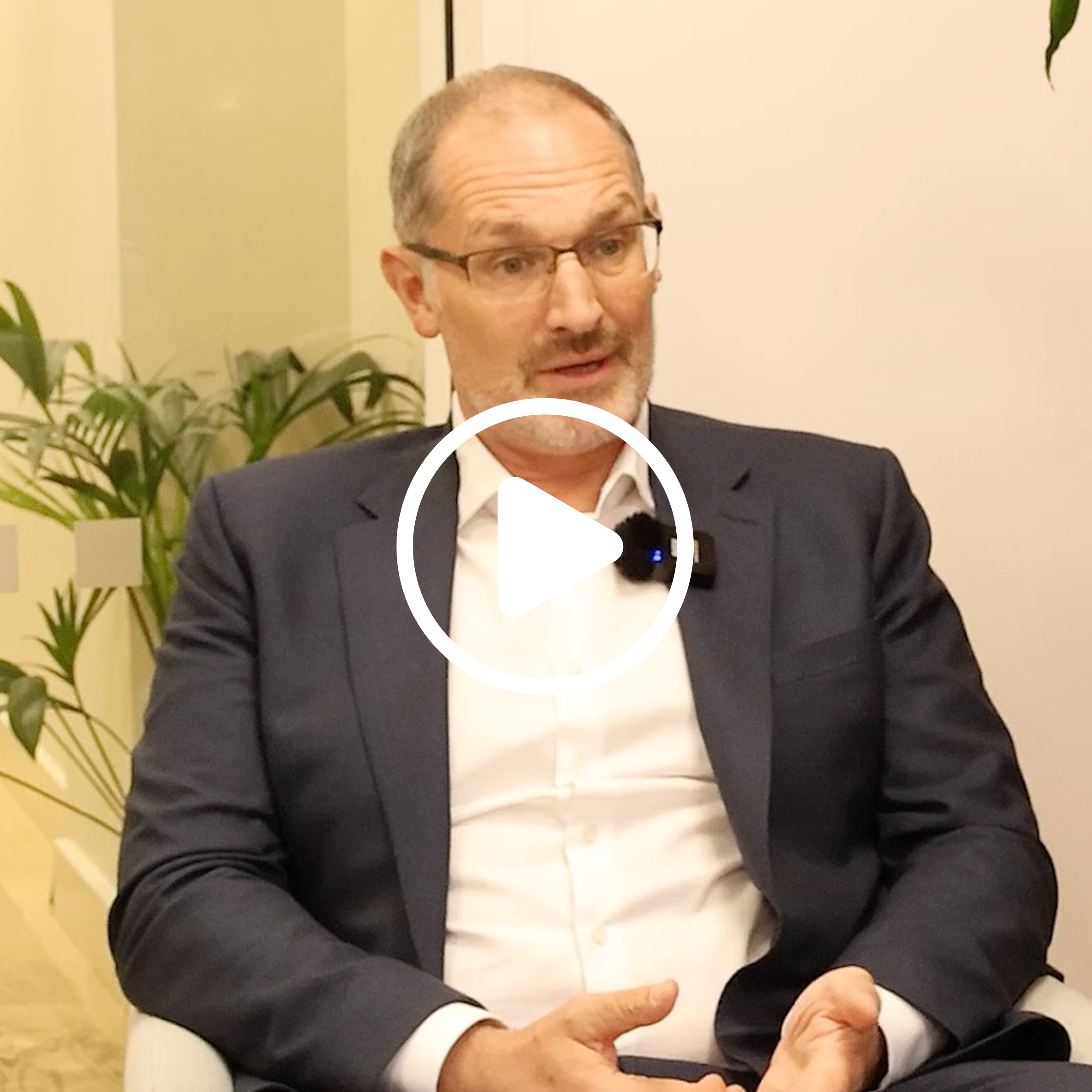
EQT AB chief executive Per Franzen has warned that private equity’s rapid push into the retail investor market risks undermining the industry’s credibility if growth is prioritised over discipline, according to a report by Bloomberg.
Speaking in an interview last month, Franzen – who heads the world’s second-largest private equity firm by capital raised – said his biggest concern is that firms are launching wealth and retail products without making the necessary long-term investments to support them.
As traditional institutional investors, such as pension funds and insurers, reach their allocation limits or turn more cautious, private equity firms have increasingly targeted individual investors to sustain fundraising momentum. Retail capital also offers higher-fee potential than large institutional mandates, but industry bodies are beginning to push back.
The Institutional Limited Partners Association (ILPA) warned this week that the surge in retail money could erode investment discipline, divert attention from institutional clients, and create conflicts of interest.
Franzen urged peers to apply the same due diligence and underwriting rigour to retail capital as they do for institutional funds. “It’s about maintaining standards, not chasing short-term inflows,” he said.
Despite his warning, EQT is itself expanding its private wealth investor base. The Stockholm-based firm expects high-net-worth clients to contribute between 15% and 20% of the $100bn it aims to raise in its current cycle.
Other major players are making similar moves. Blackstone now manages around $260bn through private wealth channels, while Apollo Global Management plans to launch new private capital funds for wealthy European investors. Ares Management has set a goal of managing $100bn from individual investors by 2028. Meanwhile, Wall Street heavyweights Goldman Sachs, Morgan Stanley, and BlackRock have all rolled out private market products targeting affluent clients over the past year.
According to a Boston Consulting Group report, private market assets could grow around 12% annually through 2030, reaching $3tn, largely driven by individual investors. In North America, wealthy investors typically allocate 15–20% of portfolios to private markets, compared with less than 5% in Europe and Asia — a gap that is rapidly narrowing.