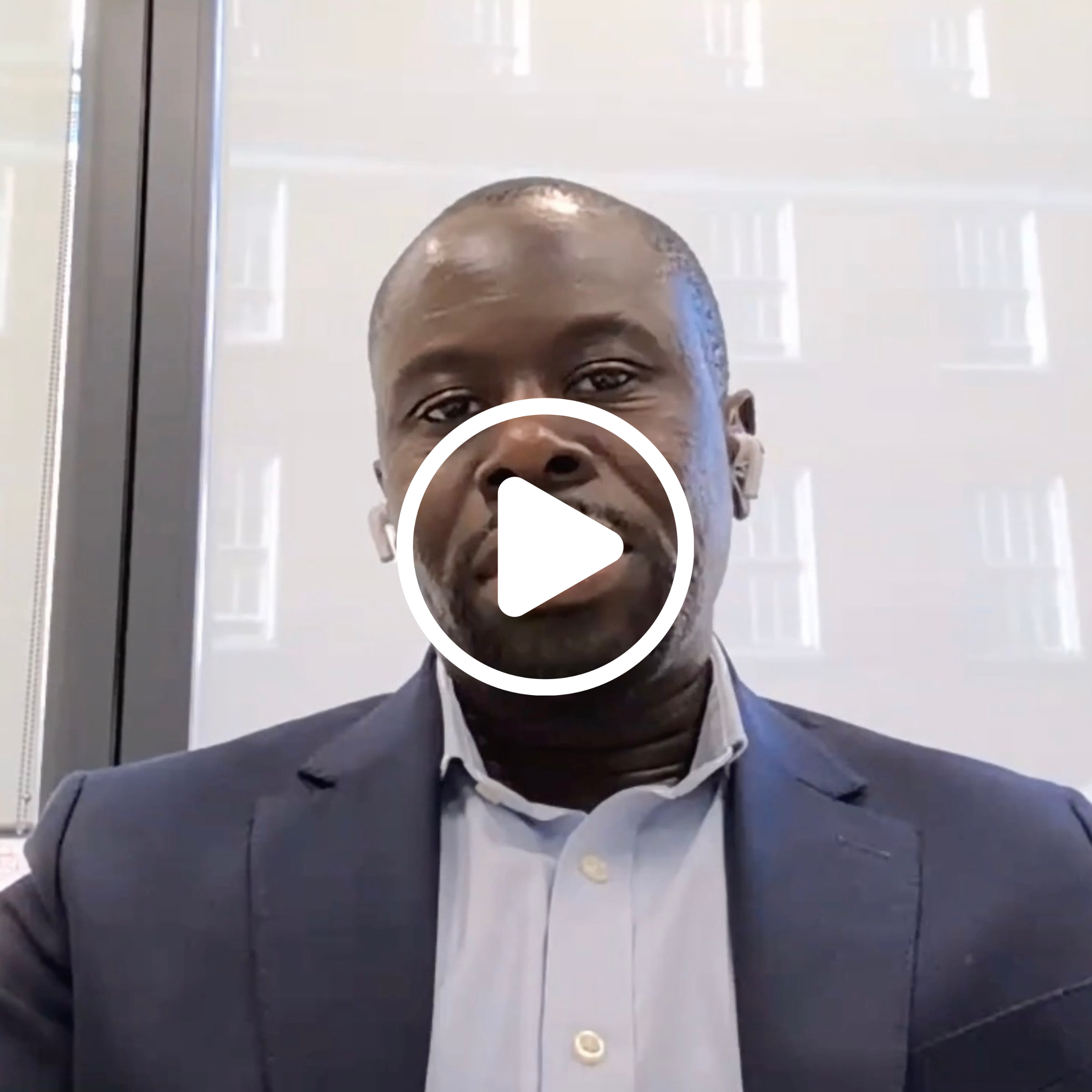
The ongoing conflict in Iran is prompting wealthy investors to reposition assets toward Europe, with geopolitical uncertainty reinforcing demand for diversification and asset protection strategies, according to a report by Bloomberg citing comments from Pictet Group managing partner Laurent Ramsey.
Speaking to Bloomberg Radio, Ramsey said high-net-worth individuals are increasingly seeking to spread both custody and investment exposure across multiple jurisdictions in response to global instability. He noted that clients are prioritising optionality in where their assets are held, with a growing emphasis on reducing concentration risk.
That shift, he said, is beginning to support inflows into established European wealth centres, particularly Switzerland, as investors reassess the appeal of traditional safe jurisdictions during periods of sustained geopolitical stress.
Ramsey’s comments come as the conflict in Iran extends beyond seven weeks, with wider regional disruption prompting some affluent residents to reconsider their exposure to Gulf hubs. The United Arab Emirates, which has attracted significant inflows of international wealth in recent years, has reportedly seen some individuals relocating or reallocating capital amid heightened uncertainty.
He suggested that Switzerland’s political stability remains a key differentiator in attracting cross-border wealth. According to Ramsey, investors continue to favour jurisdictions that offer predictability and institutional continuity when global risks escalate.
Pictet, one of Europe’s oldest private banks, is among the institutions that could benefit from any sustained reversal of capital flows from the Gulf region back into Europe. The firm, founded in 1805 and headquartered in Geneva, has long positioned itself as a core destination for international wealth seeking stability and discretion.
Alongside geopolitical-driven allocation shifts, Ramsey also highlighted growing interest in private markets as part of a longer-term structural trend within wealth management. However, he cautioned that product design and liquidity assumptions remain critical considerations, particularly where private investments are being offered to a broader investor base.
He warned against structures that imply liquidity where none exists, arguing that genuine investor access should not be confused with the ability to exit positions freely. While supportive of broader access to private assets in principle, he stressed the importance of transparent risk framing.
Ramsey also emphasised that Pictet’s approach to private markets is driven by long-term allocation themes rather than short-term market developments, noting that strategies based on reacting to headline-driven volatility tend to underperform over time.
Looking ahead, he expects continued consolidation across the European wealth management sector, although he indicated that Pictet does not view participation in such transactions as a strategic priority. He also questioned whether industry-wide dealmaking necessarily delivers improved outcomes for clients.